2026 Best Agricultural Bearings for Global Buyers Guide?
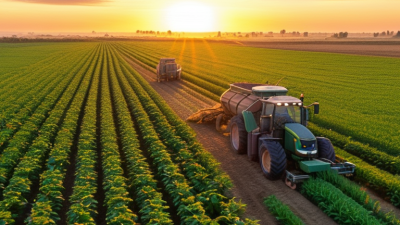
The agricultural industry heavily relies on dependable equipment, making the choice of agricultural bearings crucial. According to a report by MarketsandMarkets, the global agricultural bearing market is projected to grow from $2.5 billion in 2021 to $3.6 billion by 2026. This growth highlights the increasing demand for high-performance bearings that can withstand challenging farming conditions.
Choosing the right agricultural bearings involves understanding various factors such as load capacity, environmental conditions, and maintenance needs. Bearings must endure mud, moisture, and heavy machinery loads. Inadequate selection can lead to machinery breakdowns and costly downtime. Therefore, it's essential to prioritize reliability and quality when selecting bearings.
Additionally, the rise in sustainable farming practices urges manufacturers to innovate. This creates opportunities to design bearings that not only perform better but also minimize environmental impact. Buyers must stay informed about advancements in agricultural bearings technology. Understanding these nuances enables them to make better purchasing decisions that can ultimately enhance farm productivity.
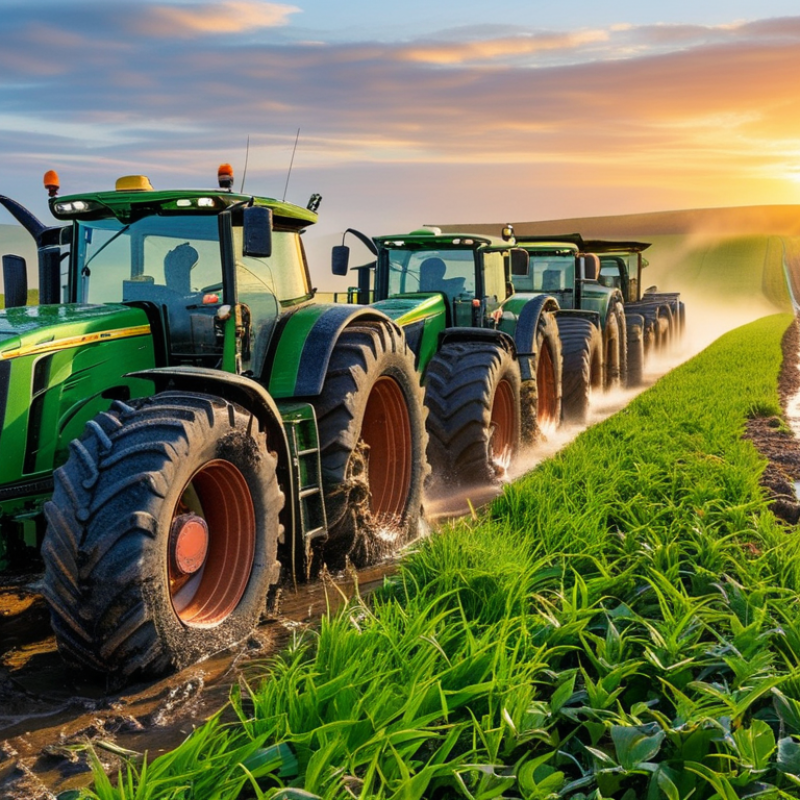
Overview of Agricultural Bearings and Their Importance
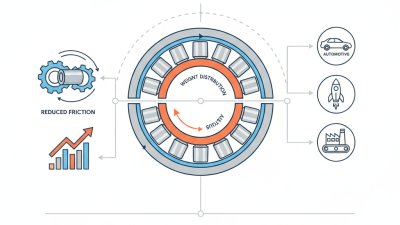
Agricultural bearings play a critical role in the efficiency of farming equipment. These components ensure smooth operation in various machines, from tractors to harvesters. The reliability of these bearings directly influences the productivity of agricultural operations. When machinery runs smoothly, farmers can work more effectively, leading to better yields.
Selecting the right agricultural bearings is not always straightforward. Farmers often encounter challenges with maintenance and compatibility. Some bearings may wear out faster than expected due to harsh conditions. Additionally, a lack of proper knowledge about bearing types can result in poor choices. Understanding specific equipment requirements is essential to prevent frequent downtimes.
Incorporating quality bearings involves consideration of several factors, including load capacity and environmental conditions. While choosing suitable products, buyers should consult with experts. Gathering advice can prevent costly mistakes and ensure equipment longevity. Overall, bearing choices significantly impact agricultural success and should be made carefully.
2026 Agricultural Bearings Performance Overview
Types of Agricultural Bearings Used in Farming Equipment
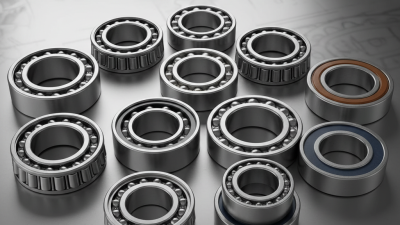
Agricultural bearings play a crucial role in farming equipment, ensuring smooth operation and efficiency. There are several types typically used in this sector. Each type serves a specific function, designed to withstand different environmental conditions. For instance, deep groove ball bearings are common in rotary equipment. Their ability to handle both radial and axial loads makes them ideal for various applications.
Roller bearings are another popular choice, especially in heavy-duty machinery. They provide increased load capacity compared to ball bearings. However, they can be sensitive to misalignment, leading to premature wear. Farmers often overlook this aspect, which can result in costly repairs. Timely maintenance can significantly prolong bearing life.
As technology advances, the design of agricultural bearings is also evolving. New materials and coatings are introduced to enhance durability. However, users should remain cautious. The choice of bearing must align with specific equipment needs and working conditions. Selecting the right type can minimize failures and improve productivity. Understanding these details is vital for farmers aiming for long-term efficiency.
Key Features to Consider When Selecting Agricultural Bearings
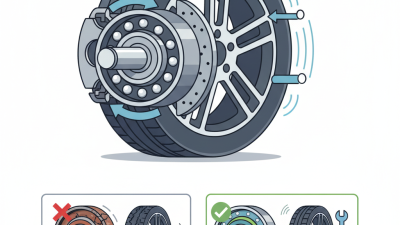
When selecting agricultural bearings, key features play a significant role. Material quality is crucial. Look for corrosion-resistant options. These bearings often face harsh environments. They endure moisture, dirt, and extreme temperatures. Choosing the right material helps ensure longevity.
Size and load ratings matter too. Bearings must support the weight and stress of machinery. Misjudging these can lead to failure. Regularly check specifications for your equipment. This attention to detail can prevent costly breakdowns.
Finally, consider maintenance requirements. Some bearings need regular lubrication. Others may require specific tools for replacement. Understand what your machinery requires. Neglecting maintenance can lead to unexpected challenges. Plan ahead to keep operations smooth.
2026 Best Agricultural Bearings for Global Buyers Guide
| Bearing Type |
Load Capacity (kg) |
Temperature Range (°C) |
Material |
Seal Type |
| Ball Bearings |
1500 |
-20 to 120 |
Steel |
Rubber Seal |
| Roller Bearings |
2500 |
-10 to 100 |
Stainless Steel |
Metal Shield |
| Tapered Bearings |
3000 |
-30 to 150 |
Chrome Steel |
Contact Seal |
| Spherical Bearings |
2000 |
-25 to 125 |
Polymer Composite |
No Seal |
| Insert Bearings |
1800 |
-15 to 110 |
Aluminum |
Open |
Top Brands and Manufacturers of Agricultural Bearings in 2026
Agricultural bearings play a crucial role in modern farming. They ensure machinery operates efficiently, reducing downtime. In 2026, the global agriculture sector is projected to reach a market value exceeding $3 trillion. A significant part of this growth stems from advancements in agricultural equipment and technology.
Top manufacturers are focusing on innovation. They aim to enhance durability and performance under harsh conditions. Reports indicate that agricultural bearings need to withstand extreme loads and environmental stressors.
Research highlights that nearly 20% of bearing failures occur due to contamination. This knowledge drives the demand for bearings with advanced sealing solutions.
Industry experts stress the importance of selecting reliable suppliers. Many factors contribute to a bearing’s effectiveness, including material composition and design. Producers should evaluate a manufacturer’s experience and reputation.
Understanding these elements can lead to better machinery performance. The right bearings will reduce maintenance costs and improve yield efficiency, reinforcing the need for thoughtful procurement choices.
Trends and Innovations in Agricultural Bearings for Global Markets
The agricultural sector is witnessing significant changes in bearing technology. Innovations in materials and design are reshaping how agricultural machinery operates. In recent years, the demand for lightweight, high-strength materials has surged. Reports indicate that the global agricultural bearings market is projected to grow at a CAGR of 5.2% from 2023 to 2030, driven by the need for enhanced productivity.
One notable trend is the integration of smart technology into bearings. These smart bearings can monitor performance in real-time. Data analytics reveal that this technology can reduce maintenance costs by up to 25%. However, the adoption of such innovations faces challenges. Many farmers are not fully aware of the benefits. Training and education are crucial in this process.
Environmental considerations are also becoming a priority. Eco-friendly materials are being developed, focusing on sustainability. The shift toward these materials could potentially minimize the carbon footprint of agricultural operations. Despite this progress, there is still concern over the long-term durability of new materials compared to traditional options. This raises questions about balancing innovation with reliability in agricultural bearings.