What is a Tapered Roller Bearing and How Does it Work?
Tapered Roller Bearings are crucial components in various machinery and automotive applications. According to the latest industry reports, their market has been growing steadily, driven by increased demand for reliable bearing solutions. This growth is projected to reach a value of over $10 billion by 2025.
Tapered Roller Bearings provide significant advantages, such as high load-carrying capacity and improved durability. They are designed to handle both radial and axial loads efficiently. However, not all designs are created equal. Many manufacturers struggle with achieving the perfect balance of performance and cost.
Proper installation and maintenance are vital for optimal function. Poor handling can lead to premature failure. It’s essential to understand the specifications and applications thoroughly. Despite their robust design, Tapered Roller Bearings can be vulnerable to environmental factors. In this complex landscape, it becomes clear that the right choice in bearings is both an art and a science.
What is a Tapered Roller Bearing?
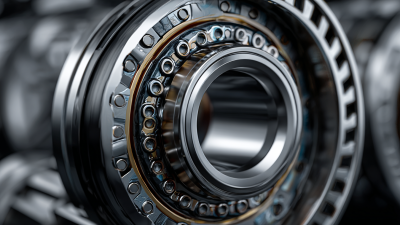
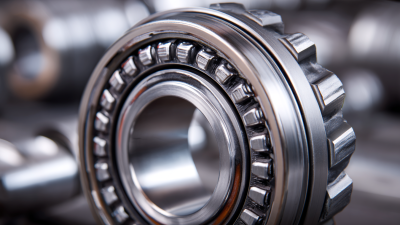
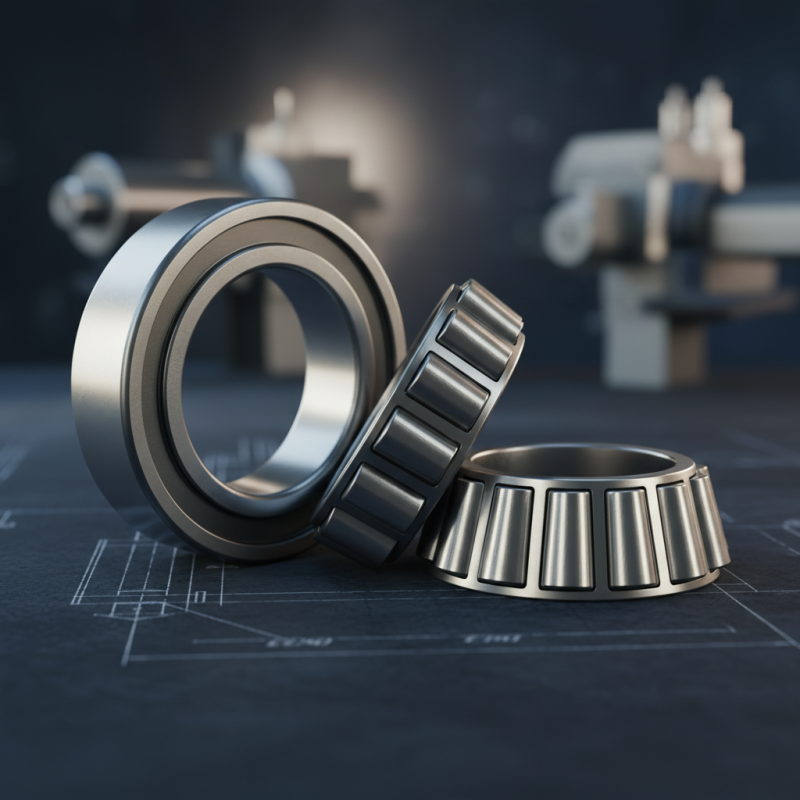
A tapered roller bearing is a crucial component in many machinery applications. Its design features a conical shape that allows it to handle both radial and axial loads efficiently. The rollers are arranged between two rings, known as the inner and outer races. This unique design provides a larger contact area that enhances stability and load capacity.
The tapered shape of the rollers also allows them to align perfectly with their raceways. This helps distribute forces evenly. However, this simple yet effective design is sometimes overlooked. Many people fail to recognize the importance of precise installation. Incorrect alignment can lead to premature wear or failure. Regular maintenance is essential to keep these bearings functioning optimally.
Understanding how a tapered roller bearing works can be enlightening. Their versatility makes them suitable for a variety of applications, from automotive to industrial machinery. But it’s easy to take them for granted until issues arise. Awareness of their role can lead to better usage and longevity. Such insights are valuable for anyone working with rotating equipment.
Key Components of Tapered Roller Bearings
Tapered roller bearings are essential in various machinery and automotive applications. Their design allows them to handle both radial and axial loads. The key components include the outer race, inner race, tapered rollers, and a cage. Each part plays a crucial role in ensuring optimal functionality.
The outer race serves as the housing that holds the tapered rollers in place. It has a conical shape, which helps distribute loads evenly. The inner race fits snugly onto the shaft, allowing for smooth rotation. Tapered rollers come in various sizes and are crucial for load management. Their shape allows for efficient force transmission, enhancing performance.
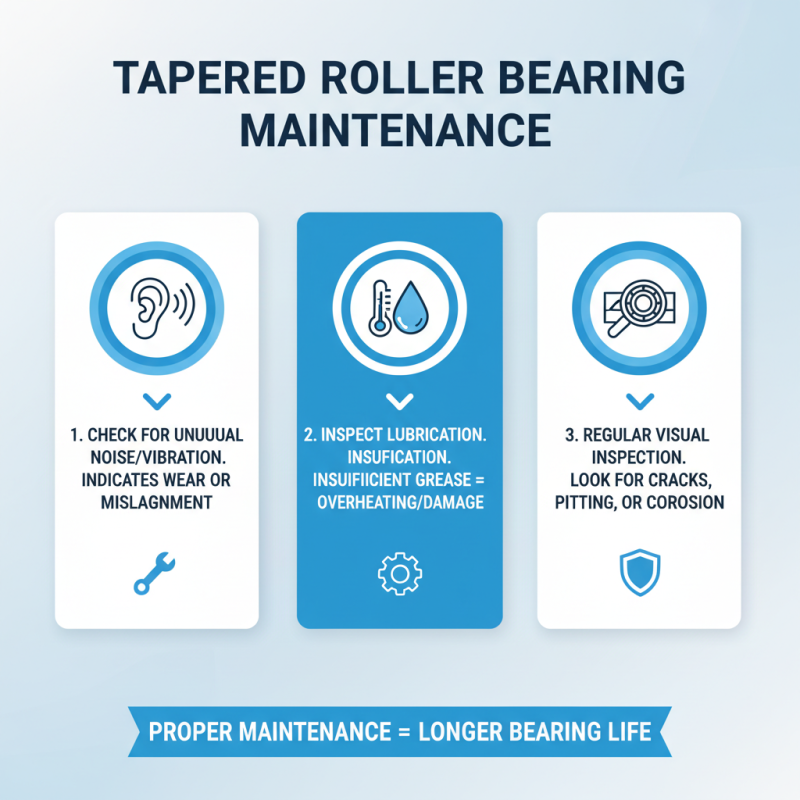
However, while these components work together for smooth operation, incorrect installation can lead to premature failure. Research indicates that improper alignment can reduce bearing life by up to 50%. Regular inspections are vital. Routine maintenance can identify wear and tear early, preventing catastrophic failures. Understanding these components is key for operators in various industries.
Tapered Roller Bearings - Key Component Load Distribution
How Tapered Roller Bearings Work Mechanically
Tapered roller bearings are crucial components in various mechanical systems. They support both radial and axial loads. This ability enhances efficiency in applications ranging from automobiles to manufacturing machinery. According to a recent report by the Market Research Future, the tapered roller bearing market is expected to grow significantly, with a CAGR of over 5% by 2025. This growth reflects their importance in modern engineering.
Mechanically, tapered roller bearings consist of an inner ring, outer ring, and tapered rollers. The angles of the rollers allow them to distribute loads evenly. This design reduces friction as the rollers roll between the different contact points. However, it’s essential to maintain proper alignment. Misalignment can lead to premature wear and reduced performance. Regular inspections can help prevent these issues.
Another critical aspect is lubrication. Tapered roller bearings require adequate lubrication to function correctly. Insufficient lubrication may cause overheating and eventual failure. Interestingly, even minor design flaws can lead to major operational setbacks. Industry experts suggest re-evaluating designs periodically to ensure continuous improvement and reliability in performance.
Applications of Tapered Roller Bearings in Industry
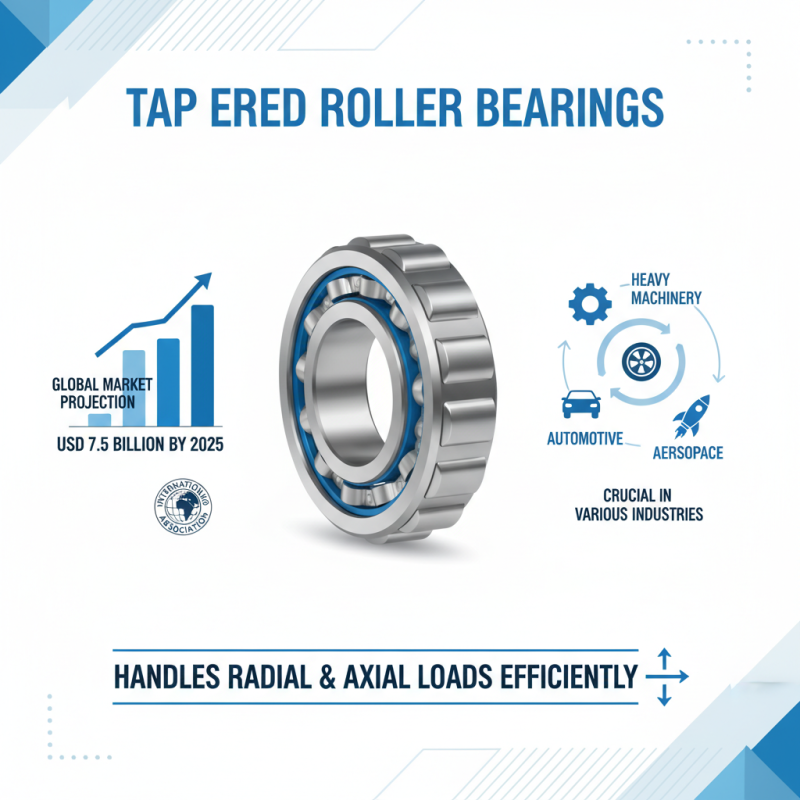
Tapered roller bearings are crucial in various industries. They efficiently handle both radial and axial loads. These bearings excel in applications involving heavy machinery, automotive components, and aerospace systems. A report by the International Bearing Association indicates that the global tapered roller bearing market is projected to reach USD 7.5 billion by 2025.
In automotive applications, these bearings support wheel hubs and gearboxes. They enhance performance by maintaining stability under varying loads. For instance, in trucks, they manage heavy loads during transport. Yet, they can wear out quickly if not properly maintained. The National Institute of Standards and Technology emphasizes regular inspections to prevent failure.
Tapered roller bearings also play a vital role in renewable energy. They are found in wind turbine gearboxes. This application helps convert wind energy effectively. However, the high-stress environment can lead to lubrication issues. Such challenges must be addressed to ensure longevity and efficiency. Usage in diverse sectors highlights their importance, but users must remain vigilant about maintenance practices.