Ultimate Guide to Standard Ball Bearing Tips for Beginners?
In the world of mechanical engineering, understanding Standard Ball Bearings is crucial. Experts like Richard Morgan, a renowned bearing specialist, emphasize, "Quality bearings are the backbone of any machinery." This statement highlights the importance of these components in ensuring efficiency and longevity.
Standard Ball Bearings play a vital role in reducing friction between moving parts. This can enhance performance in various applications, from household appliances to industrial equipment. However, beginners often overlook critical details, like material selection and load ratings.
Navigating the complexities of Standard Ball Bearings can be challenging. Many new users might struggle with choosing the right type or size. Mistakes in this area can lead to operational issues. Understanding key terminology and specifications is essential. Investing time in learning can prevent costly errors down the line.
What Are Standard Ball Bearings and Their Importance?
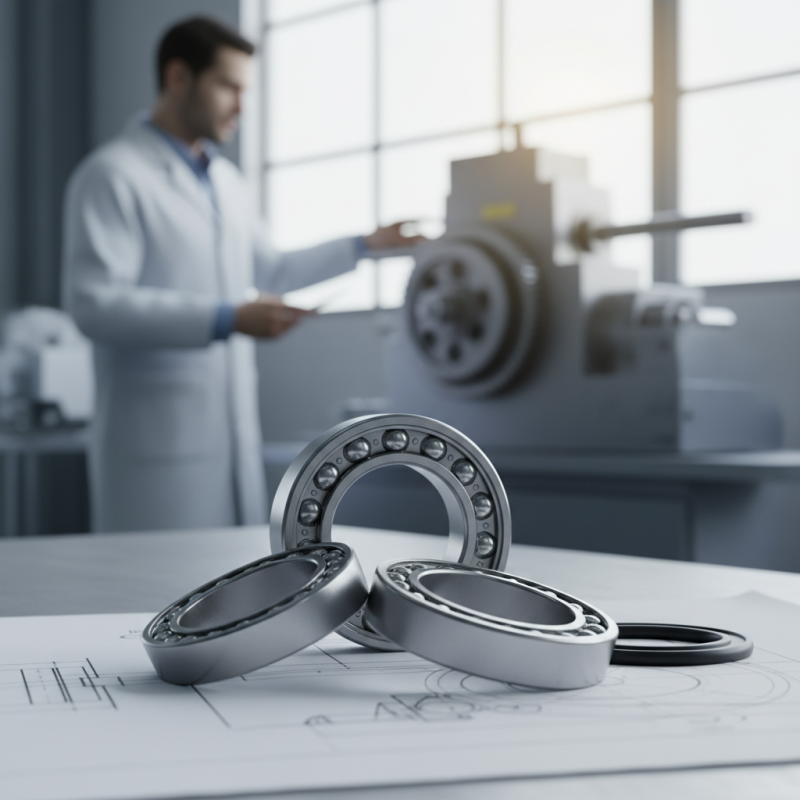
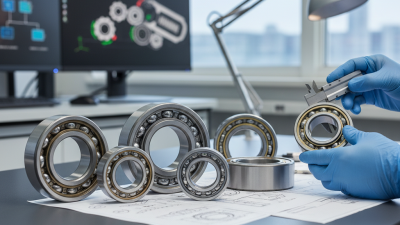
Standard ball bearings are essential components in many machines and devices. They help reduce friction between moving parts, enabling smoother operation. Their importance cannot be overstated: they significantly enhance the longevity and efficiency of machinery. Without ball bearings, equipment would wear out quickly and be prone to failure.
When selecting standard ball bearings, several tips can help beginners. Always consider the load capacity, as this affects performance. Check the material of the bearings; steel and ceramic are common choices. Be aware that poor-quality bearings can lead to overheating and excessive vibration.
Maintenance is crucial for ball bearings. Regularly check for signs of wear or damage. Replace bearings at the first sign of trouble to prevent bigger issues. Avoid using them in inappropriate environments without proper shielding. Remember, even the best bearings can fail if not cared for adequately.
Types of Standard Ball Bearings: A Comprehensive Overview
When exploring types of standard ball bearings, it's essential to understand their functions. There are various categories, including deep groove, angular contact, and thrust ball bearings. Each type has distinct characteristics. Deep groove bearings are versatile and commonly used in machinery. They handle radial and axial loads well.
Angular contact bearings come in various angles. They are better for axial loads. These bearings are often used in high-speed applications. Thrust ball bearings are designed to manage axial loads in one direction. They are simple but effective for specific tasks.
Tips: Always consider the load and speed requirements when selecting a bearing type. It’s crucial to assess your project's unique needs. Remember to check for compatibility with your existing equipment. Finding the right fit can be challenging, but it is necessary. Misalignment can lead to failure, so pay attention to details.
Ultimate Guide to Standard Ball Bearing Tips for Beginners
| Bearing Type |
Load Rating (kg) |
Speed (RPM) |
Material |
Common Applications |
| Deep Groove Ball Bearing |
1500 |
6000 |
Steel |
Electric motors, conveyor systems |
| Angular Contact Ball Bearing |
1200 |
3000 |
Ceramic |
Machine tools, automotive applications |
| Self-Aligning Ball Bearing |
2000 |
2500 |
Stainless Steel |
Agricultural machinery, pumps |
| Thrust Ball Bearing |
800 |
1500 |
Bronze |
Gearboxes, elevators |
| Miniature Ball Bearing |
300 |
10000 |
Plastic |
Robotics, precision instruments |
Key Components and Design Features of Ball Bearings
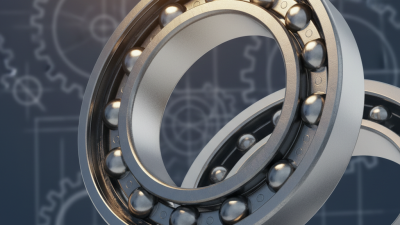
Ball bearings are essential components in various machinery. They reduce friction between moving parts. The basic structure includes an outer race, an inner race, and balls. Each component plays a critical role in the bearing's performance. For instance, the outer race is often fixed. It houses the balls, which allow smooth rotation. The inner race rotates with the shaft.
Material choice is vital. Steel is common due to its strength and durability. However, some applications demand ceramic or plastic alternatives. According to industry reports, steel ball bearings can withstand loads up to 100,000 psi. But, they may corrode in wet environments, requiring additional protective coatings.
Design features also matter. Some bearings incorporate seals to prevent dirt ingress. Others use shields for light protection. Even slight design flaws can affect performance. For example, uneven ball spacing can lead to uneven wear. It’s essential to consider the operating conditions. For instance, high speeds may require specific types of grease. The wrong type can lead to overheating and failure. Awareness of these components can significantly enhance the longevity of the equipment.
How to Choose the Right Ball Bearing for Your Application
When selecting the right ball bearing, consider the application. Different uses require different specifications. Material, size, and load capacity are key factors. Look closely at your needs.
Tips:
- Assess your environment. High temperatures or moisture affect bearing performance. Choose a suitable material.
- Check the load capacity. Ensure the bearing can support the weight. Underestimating this can lead to failure.
- Pay attention to speed ratings. High speeds need bearings designed for that purpose.
Size matters. Measure the shaft and housing correctly. A small miscalculation can lead to operational issues. Remember, precision is vital.
Lastly, don’t overlook lubrication. Some bearings come pre-lubricated, while others require ongoing maintenance. Neglecting this can shorten lifespan. Reflect on what will work best for your setup.
Maintenance Tips for Optimizing Ball Bearing Performance
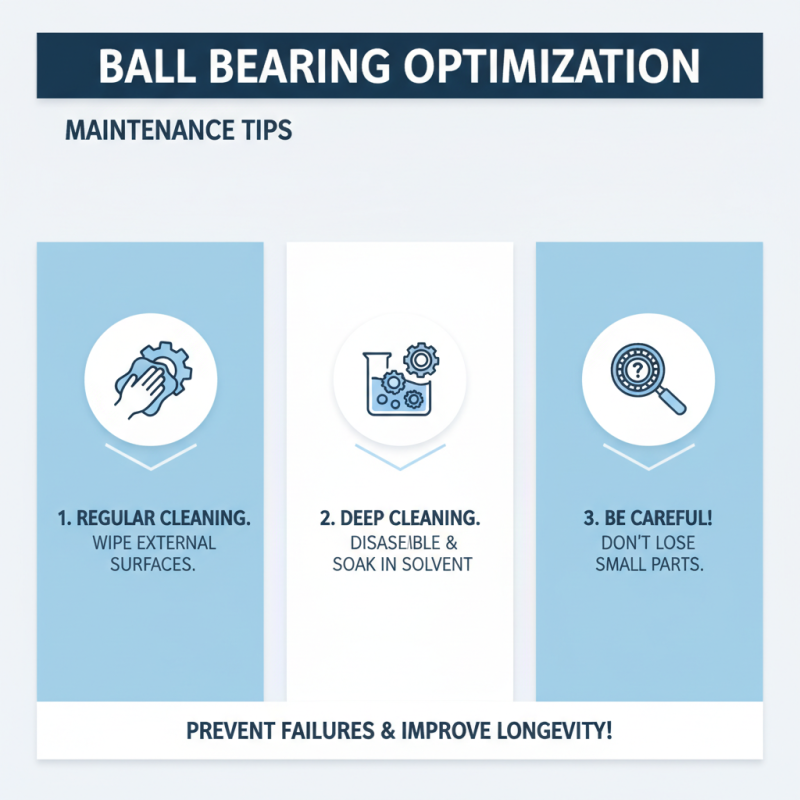
Maintaining ball bearings is crucial for their performance. Regular cleaning prevents dirt buildup, which can lead to failures. Use a soft cloth to wipe the outer surface. For deeper cleaning, disassemble and soak in a suitable solvent. However, ensure you don't lose any small parts during this process. It can be frustrating when you can't find that tiny ball or washer.
Lubrication is another key aspect. Over time, grease can dry out. This leads to increased friction. Apply lubricant sparingly; too much can attract debris. Look for smooth operation after lubrication. If the bearing feels rough, it may require further attention. Checking alignment periodically is also important. Misalignment can cause uneven wear, leading to premature failure.
Pay attention to noise as well. Any unusual sounds may indicate issues. Don’t ignore these signs. Instead, investigate promptly. It’s easy to overlook small issues until they become significant problems. Remember, proactive maintenance can save time and money in the long run. Your bearings deserve this effort.