What is a Grooved Ball Bearing and Its Benefits for Buyers?
Grooved Ball Bearings (GBBs) are increasingly popular in various industrial applications. According to a recent report from MarketsandMarkets, the global ball bearing market is projected to reach $80 billion by 2025, indicating a strong demand for high-performance solutions. GBBs play a crucial role in enhancing the efficiency of machinery, reducing friction, and improving durability.
These bearings feature grooved raceways that accommodate additional load capacities. This design allows for smoother operation in rotational components, a vital aspect in automotive and aerospace sectors. The reduced noise and vibration levels provided by GBBs contribute to longer service life, making them a worthwhile investment for manufacturers. Despite the many advantages, buyers should consider potential downsides, such as their cost compared to standard bearings.
In summary, Grooved Ball Bearings offer several benefits, including improved performance and reliability. Investing in GBBs can optimize operations and reduce downtime. Industry leaders recognize that while the initial investment is higher, the long-term savings and performance are significant. Thus, for industries reliant on precision and durability, GBBs present a strong case.
What is a Grooved Ball Bearing?
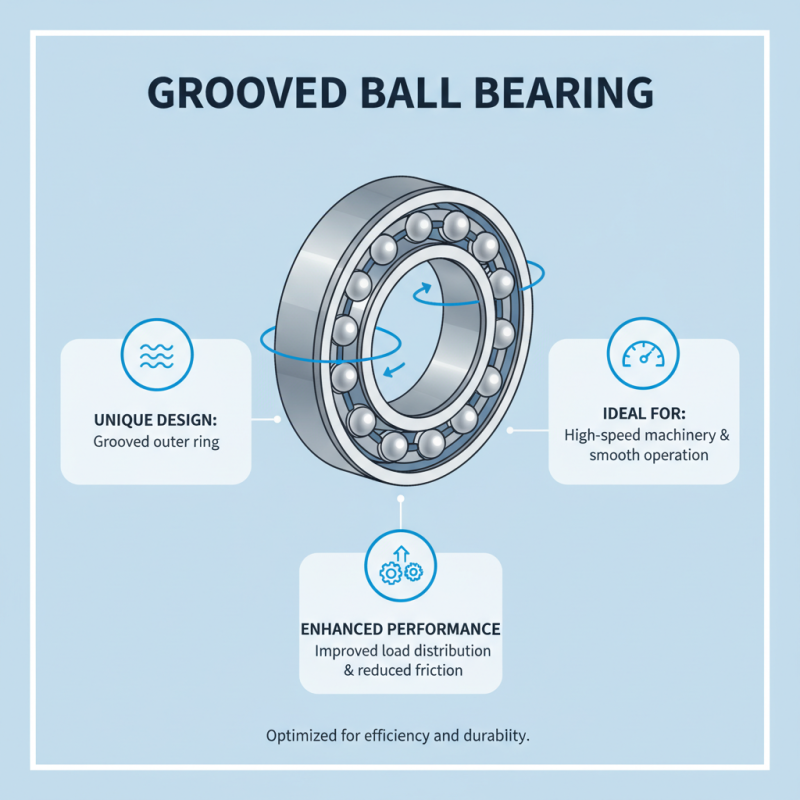
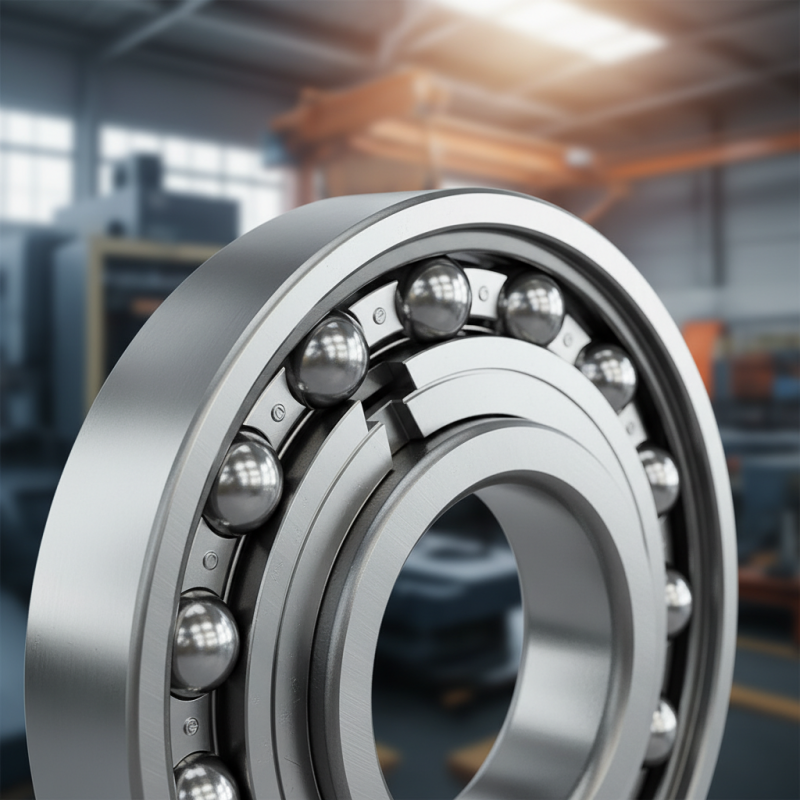
A grooved ball bearing features a unique design with a set of grooves on its outer ring. These grooves enhance the bearing's load distribution and significantly improve its performance in various applications. The structure allows for better alignment of the balls within the races, reducing friction during operation. This characteristic is especially beneficial in high-speed machinery where smooth operation is crucial.
Users can appreciate the advantages of grooved ball bearings in terms of durability and efficiency. The grooves reduce wear and tear, contributing to a longer service life. However, selecting the right bearing requires some thought. Not every application may benefit equally from this design. Factors such as load capacity and speed requirements influence the choice. An improper fit can lead to premature failure, making careful consideration essential for reliable performance.
The Design and Structure of Grooved Ball Bearings
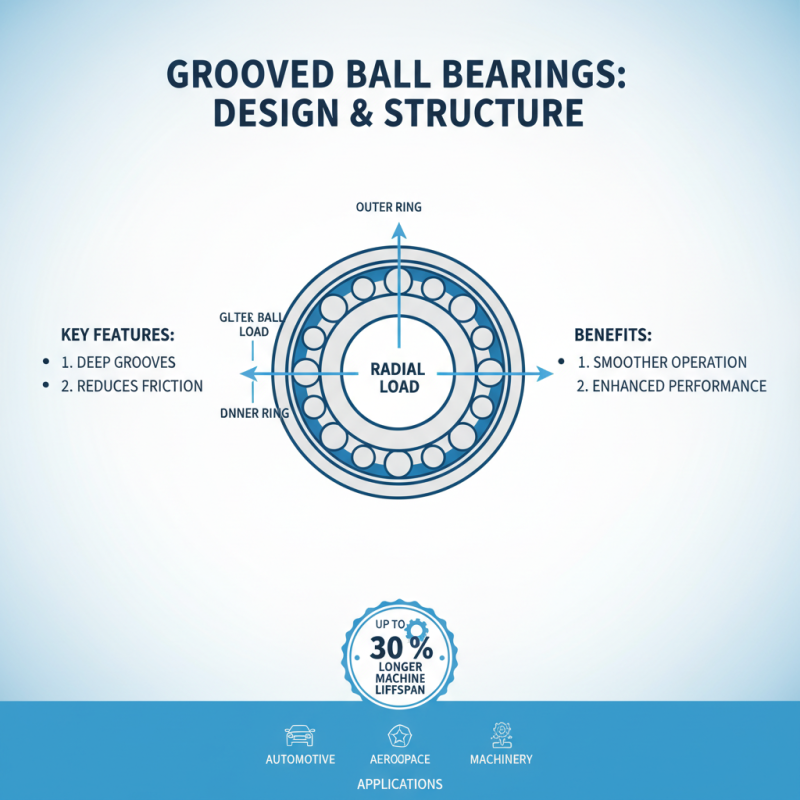
Grooved ball bearings are essential in modern machinery, designed to reduce friction and enhance performance. Their structure includes deep grooves that help accommodate axial and radial loads efficiently. This unique design allows for smoother operation under varying conditions, proving beneficial in applications from automotive to aerospace. According to industry reports, they can increase machine lifespan by up to 30%, showcasing their importance.
The flow of lubricants is improved due to the grooved structure. This can lead to reduced overheating and wear, prolonging the bearing's effectiveness. Tests show that the design can withstand significant stress, making them reliable in high-demand scenarios. However, some users report challenges with installation and alignment. Proper fitting is crucial. Inadequate attention may cause premature failure, reflecting the need for professional expertise.
Ultimately, while grooved ball bearings offer numerous advantages, they also require careful handling. Quality control is vital to avoid inconsistencies in performance. Various studies indicate that improper usage can reduce efficiency by nearly 15%. Buyers must consider both the benefits and potential obstacles associated with these bearings for effective application.
Key Benefits of Grooved Ball Bearings for Consumers
Grooved ball bearings are increasingly popular among consumers due to their unique design. The grooves allow for better retention of lubricant. This improvement in lubrication reduces friction, which is crucial for mechanical systems. The result is longer-lasting performance and reduced maintenance needs. Users often appreciate how this translates to lower operating costs over time.
Another key benefit is their ability to handle axial and radial loads effectively. This versatility makes grooved ball bearings suitable for various applications. They are reliable in environments with fluctuating conditions. Buyers often find that this reliability enhances the overall productivity of machinery. Users still need to evaluate their specific requirements before making a purchase.
Moreover, while grooved ball bearings offer significant advantages, there are considerations. They may not be the best choice for every situation. Environment factors, such as temperature and exposure to contaminants, can influence effectiveness. Potential buyers should reflect on these conditions to ensure they make an informed decision.
Applications of Grooved Ball Bearings in Various Industries
Grooved ball bearings are essential in various industries due to their unique design and functionality. These bearings feature deep grooves that accommodate both radial and axial loads. This versatility makes them ideal for high-speed applications, such as in electric motors and automotive components. In manufacturing, they enhance efficiency by reducing friction, which leads to smoother operations.
In construction and heavy machinery, grooved ball bearings play a crucial role. They support rotating elements in cranes and conveyor systems, ensuring safety and stability. Additionally, in the aerospace sector, they are used in landing gear and engine components where reliability is paramount. Frequent maintenance checks are needed to ensure optimal performance, as wear can affect their efficiency.
Tip: Always choose the correct size and type of bearing for your application. This minimizes the risk of failures and extends lifespan. Consider potential misalignment issues; proper installation can prevent unnecessary breakdowns. Remember that not all applications will benefit equally from grooved ball bearings. Evaluate your specific needs carefully.
What is a Grooved Ball Bearing and Its Benefits for Buyers? - Applications of Grooved Ball Bearings in Various Industries
| Attribute |
Details |
| Type |
Grooved Ball Bearing |
| Material |
Steel, Plastic, Ceramic |
| Load Capacity |
Varies from 100 kg to 5000 kg depending on size |
| Speed Rating |
Up to 15,000 RPM |
| Temperature Range |
-20°C to 120°C |
| Applications |
Automotive, Industrial Machinery, Aerospace, Robotics |
| Benefits for Buyers |
Reduced friction, Improved efficiency, Longevity, Versatility |
Factors to Consider When Purchasing Grooved Ball Bearings
When considering the purchase of grooved ball bearings, buyers should focus on specific factors to ensure optimal performance. The material is pivotal. High-quality steel or ceramic materials offer durability. This directly impacts longevity and resistance to wear. The groove design can vary, influencing load distribution and friction levels. Understanding these nuances helps in making informed decisions.
Another essential aspect is the bearing's size. Measurements must match application requirements to prevent premature failure. A mismatch could lead to operational inefficiencies. Where the bearing will be used is also crucial. Extreme temperatures or heavy loads can stress bearings, affecting their performance. Evaluating potential environmental conditions can lead to better choices.
Furthermore, consider the lubrication method. Proper lubrication reduces friction, enhancing efficiency. However, some buyers overlook this aspect. It’s common to assume standard greases will work universally, but this isn't always the case. Tailoring lubricants to specific bearings may improve performance significantly. Analyzing all these factors can seem overwhelming. However, careful consideration often leads to the most reliable selections.