10 Essential Tips for Choosing Tapered Roller Wheel Bearings?
Choosing the right Tapered Roller Wheel Bearings is crucial for optimal performance in vehicles. Experts emphasize the importance of precision and quality in this selection. John Smith, a renowned bearing specialist, once stated, “The right bearing can be the difference between smooth rides and costly repairs.”
Understanding Tapered Roller Wheel Bearings requires both knowledge and experience. It’s not just about size or load capacity. Factors like material, design, and sealing also come into play. Engineers often overlook some details, leading to mistakes. Choosing the wrong bearings can result in poor performance.
Many assume that all Tapered Roller Wheel Bearings are interchangeable. However, each application demands specific features. It’s vital to consider the operational conditions. Ignoring these aspects can have serious consequences. Prioritizing the right choices ensures reliability and safety on the road.
Understanding Tapered Roller Wheel Bearings and Their Functionality
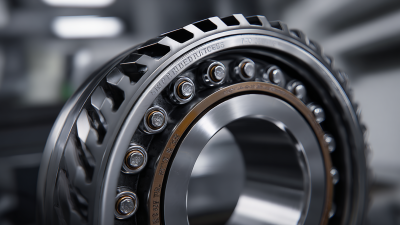
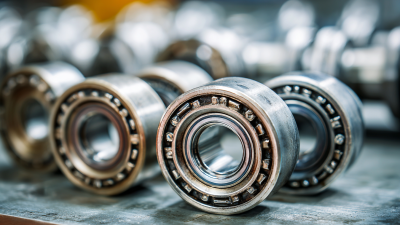
Tapered roller wheel bearings are critical components in various vehicles. Their design allows them to handle both radial and axial loads efficiently. Understanding how they work helps in proper selection and maintenance. Each bearing consists of an inner and outer ring, along with tapered rollers. The angle of these rollers permits smooth and silent movement. This functionality contributes to overall vehicle safety and performance.
When choosing these bearings, it’s essential to consider their specifications. Pay attention to load ratings and dimensions. A mismatch can lead to premature wear and even failure. Selecting the wrong type can also result in excessive noise and vibration. This may indicate a need for replacement or adjustment. Ensuring that the bearings fit correctly is crucial to maintain alignment and reduce stress on other components.
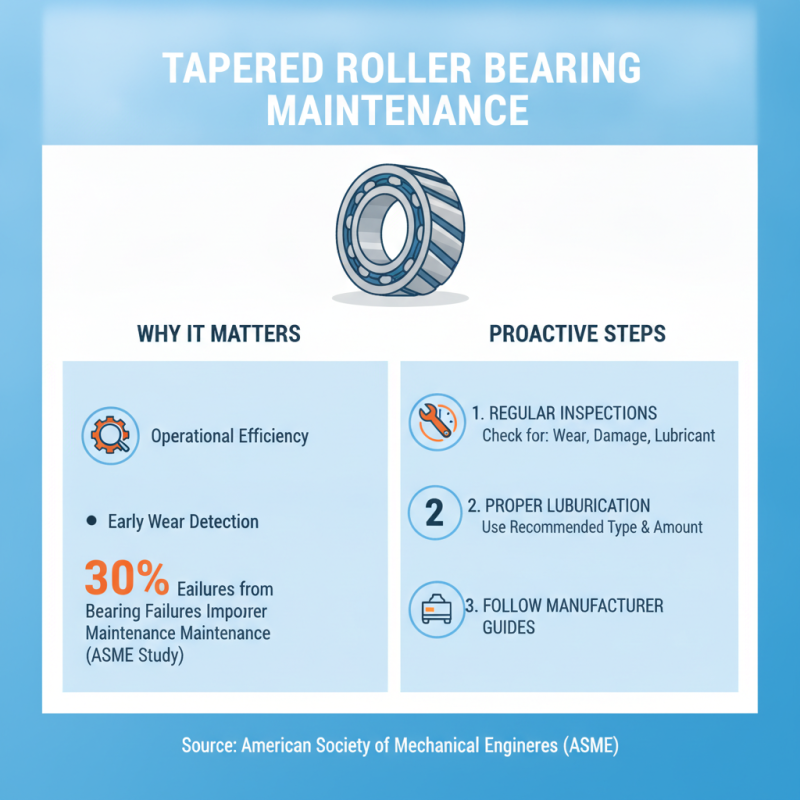
Sometimes, it’s easy to overlook details such as lubrication and installation methods. Proper lubrication minimizes friction and enhances longevity. Moreover, periodic inspections can reveal early signs of wear. A small issue may escalate if ignored. Reflecting on the installation process can prevent potential mishaps. Even experienced mechanics can make errors, so it’s wise to double-check work.
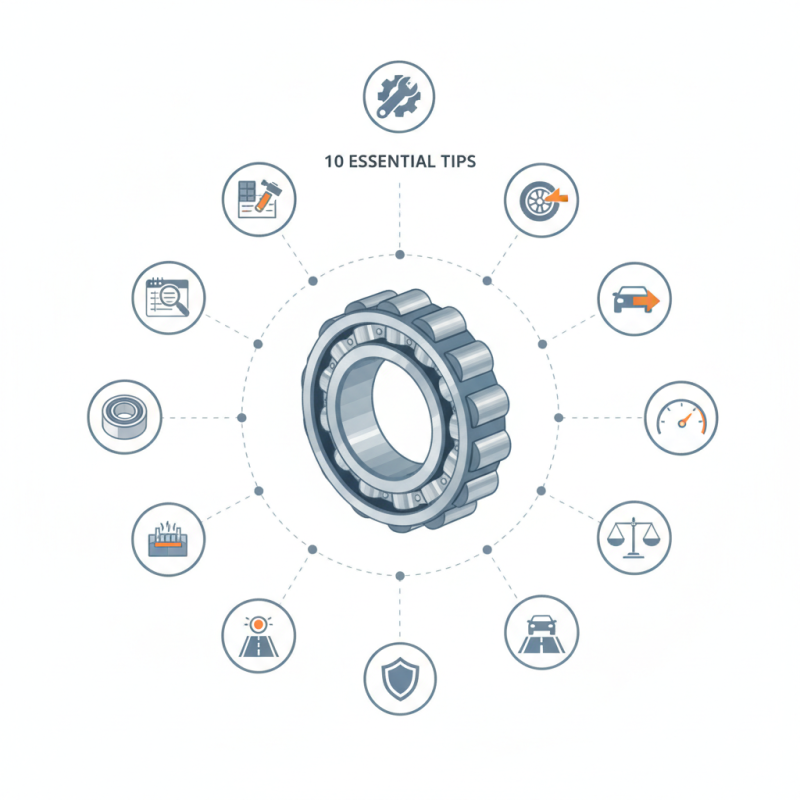
10 Essential Tips for Choosing Tapered Roller Wheel Bearings
| Tip Number |
Tip Description |
Key Considerations |
| 1 |
Understand Load Ratings |
Consult load rating charts for specifications. |
| 2 |
Choose the Right Size |
Measure existing bearings' dimensions accurately. |
| 3 |
Consider Material Quality |
Look for high-quality steel and coatings. |
| 4 |
Examine the Brand Reputation |
Research manufacturer reliability and reviews. |
| 5 |
Inspect Compatibility |
Ensure bearings match your specific vehicle or application. |
| 6 |
Check Seals and Shields |
Choose appropriate sealing options for environment. |
| 7 |
Evaluate Bearing Clearance |
Select proper clearance for intended use. |
| 8 |
Consider Lubrication Options |
Choose between grease or oil lubrication based on application. |
| 9 |
Look for Technical Support |
Ensure manufacturer provides assistance and resources. |
| 10 |
Assess Overall Value |
Balance cost and performance for best investment. |
Key Factors to Consider When Selecting Tapered Roller Bearings
When selecting tapered roller bearings, understanding key factors is crucial. These bearings are vital in applications requiring heavy loads and high speeds. Reliability is prioritized. Industry reports indicate that improper selection can lead to premature failure, reducing equipment lifespan.
Tip 1: Assess load requirements. Tapered roller bearings handle radial and axial loads efficiently. Calculate the specific loads your machinery will experience. This step ensures optimal performance and durability.
Tip 2: Consider bearing size and fit. Compatibility with your machinery is essential. Many reports show that incorrect fitting can cause vibration and noise, leading to serious wear. Check dimensions carefully.
Another critical factor is lubrication. Quality lubrication extends bearing life and enhances efficiency. Choose lubricants that match the operating conditions of your application. Research suggests that approximately 30% of bearing failures relate to lubrication issues.
Finally, evaluate manufacturing standards. Bearings from reputable sources are more likely to meet industry specifications. Always opt for suppliers with a history of reliability in your sector. Misunderstanding these considerations can lead to costly repercussions.
10 Essential Tips for Choosing Tapered Roller Wheel Bearings
Different Types of Tapered Roller Bearings and Their Applications
When selecting tapered roller bearings, it's essential to understand the different types and their applications. Tapered roller bearings come in various designs, each suited for specific tasks. For instance, single-row tapered roller bearings are ideal for handling axial loads. They are commonly used in automotive wheel hubs and heavy equipment.
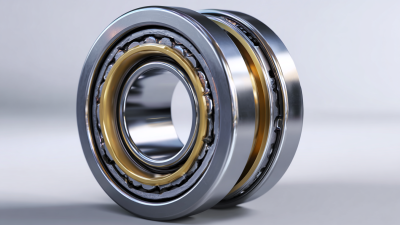
Double-row tapered roller bearings provide enhanced load capacity and stability. They are often used in applications requiring higher precision. These bearings are ideal for gearboxes and construction machinery. On the other hand, four-row tapered roller bearings are typically utilized in heavy-duty applications. They excel in industries like mining and steel production, where durability is key.
Understanding these options is crucial. Different loads and speeds require different designs. Choosing the wrong type can lead to decreased performance and even failure. It’s essential to reflect on the operating conditions. Consider the load type, speed, and expected lifespan when making your choice. Each decision paves the way for better performance.
Importance of Load Capacity and Size in Bearing Selection
When selecting tapered roller wheel bearings, understanding load capacity is crucial. Load capacity refers to the maximum weight the bearing can support without failure. This factor ensures safety and efficiency in performance. Improper selection can lead to premature wear or even catastrophic failure. Every application has unique load requirements which must be evaluated carefully.
Size plays an equally important role in bearing selection. The inner diameter, outer diameter, and width of the bearing affect its load-rated capacity. Choosing the wrong size can lead to misalignment or increased friction. It's essential to consider both static and dynamic load ratings. A mismatch can result in substantial operational issues.
While one might focus solely on brand reputation, personal experience and specifications matter significantly. Rely on engineering principles and past performance in your choice. Analyze the requirements of your specific application. Seek expert advice when in doubt. Even with the best efforts, some choices may not yield immediate results. Continuous evaluation and adaptation are essential.