Why Choose Cylindrical Roller Bearings for Your Industry Needs?
Cylindrical Roller Bearings (CRB) play a vital role in various industries. Their unique design allows them to manage heavy loads effectively. This feature is essential for machinery that requires stability and reliability.
Choosing CRB can enhance operational efficiency. These bearings minimize friction, leading to smoother operations. This advantage can reduce energy costs in the long run. However, selecting the right type of CRB can be challenging. There are various specifications that may suit different applications.
Many industries benefit from the durability offered by CRB. Yet, some may overlook certain factors. For instance, proper lubrication is critical for optimal performance. Ignoring this can lead to premature wear. Understanding these nuances is key for long-term success. In this piece, we will explore the reasons to choose cylindrical roller bearings for your specific industrial needs.
Characteristics of Cylindrical Roller Bearings
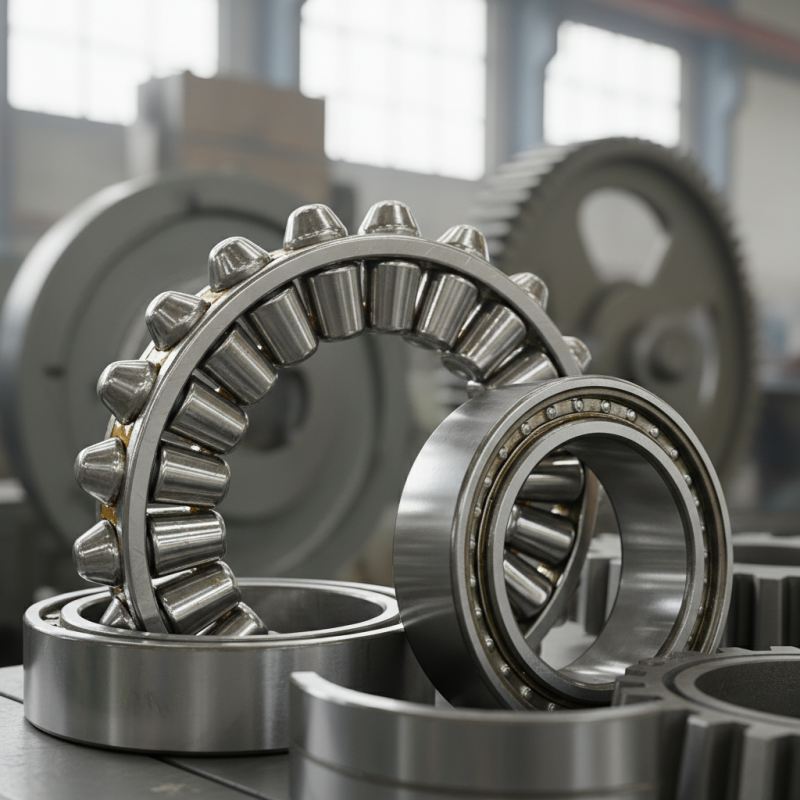
Cylindrical roller bearings are known for their unique attributes that make them ideal for various industrial applications. They feature high load capacity due to their large rolling elements. This design allows for smooth operation, even under heavy loads. Many industries, including automotive and manufacturing, benefit from this reliability. The high-speed performance is another key characteristic that sets them apart.
These bearings often exhibit low friction and reduced heat generation. This efficiency promotes longer service life and minimizes maintenance requirements. However, they can be sensitive to misalignment. Regular checks are crucial to ensure optimal performance. Additionally, improper installation can lead to premature wear. Understanding these factors is essential for effective use.
Another notable characteristic is their ability to handle radial loads. This makes them suitable for applications in gearboxes and turbines. Yet, their axial load capacity is limited. Users must carefully assess their specific needs to avoid limitations. Balancing these qualities requires experience and ongoing evaluation.
Why Choose Cylindrical Roller Bearings for Your Industry Needs? - Characteristics of Cylindrical Roller Bearings
| Characteristic |
Description |
Advantages |
Common Applications |
| Load Capacity |
High radial load capacity due to the use of cylindrical rollers. |
Able to support heavy loads while maintaining performance. |
Industrial machinery, automotive applications. |
| Rolling Element |
Utilizes cylindrical rollers that provide a larger contact area. |
Improved stability and reduced friction when compared to ball bearings. |
Construction, marine industries. |
| Design Variations |
Available in various designs such as single-row and multi-row configurations. |
Versatile and can be tailored for specific applications. |
Heavy equipment, rail transport. |
| Speed Capability |
Designed to handle high speeds while minimizing heat generation. |
Increased efficiency in high-speed operations. |
Wind turbines, electronic devices. |
| Wear Resistance |
Constructed with durable materials for longevity and wear resistance. |
Reduced maintenance costs and downtime. |
Mining equipment, oil and gas industry. |
Advantages of Using Cylindrical Roller Bearings in Various Industries
Cylindrical roller bearings have gained popularity across various industries due to their unique advantages. These bearings are designed to handle heavy radial loads, making them ideal for applications like construction and mining machinery. A report from the International Journal of Mechanical Engineering highlights that cylindrical roller bearings can support loads up to 20% more than traditional ball bearings of the same size. This feature makes them essential for high-stress environments, where reliability is paramount.
In the automotive industry, these bearings contribute to improved performance and fuel efficiency. For instance, an analysis by the Society of Automotive Engineers indicates that using cylindrical roller bearings can reduce friction by up to 30%. The lower friction translates to less heat generation, enhancing the lifespan of engine components. However, it's worth noting that careful selection of bearing specifications is crucial to avoid premature failure in high-speed applications.
The aerospace sector also benefits from cylindrical roller bearings. Their capacity to withstand extreme conditions, such as temperature fluctuations and high loads, is unmatched. Studies reveal that the aerospace industry sees a reduction in maintenance costs by up to 15% when opting for these bearings. Still, manufacturers must constantly innovate, as even the best designs can be prone to failure under specific circumstances, urging a reevaluation of material choices and maintenance practices.
Advantages of Using Cylindrical Roller Bearings in Various Industries
This bar chart illustrates the advantages of cylindrical roller bearings across different industries, highlighting their effectiveness in enhancing performance, reliability, and reducing maintenance costs.
Applications of Cylindrical Roller Bearings in Industrial Equipment
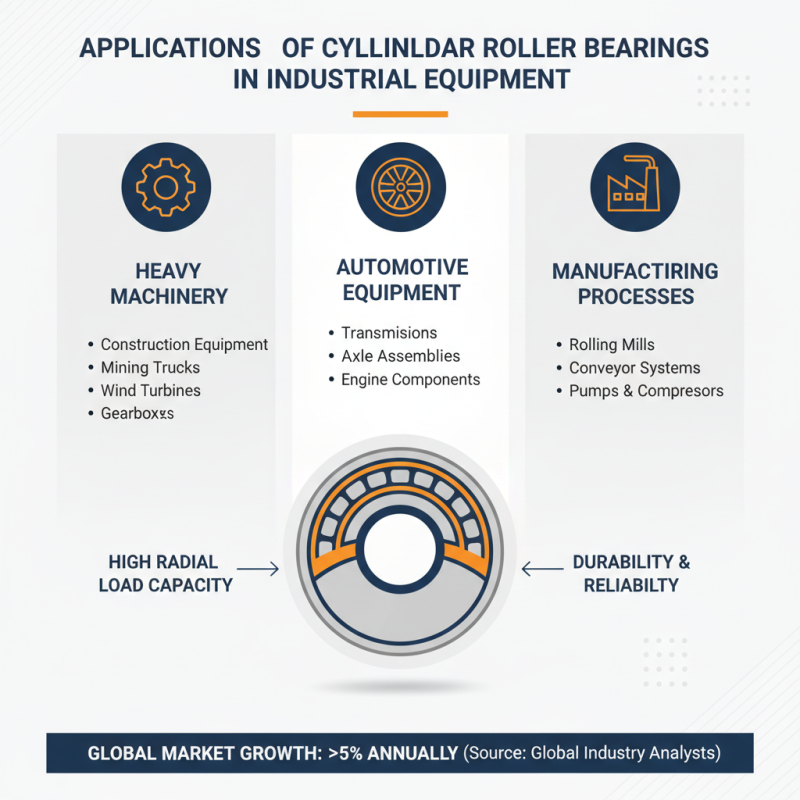
Cylindrical roller bearings play a significant role in various industrial applications. They are essential in heavy machinery, automotive equipment, and manufacturing processes. The design allows for high radial load capacity, which is especially important in industries like construction and mining. According to a recent report by the Global Industry Analysts, the demand for these bearings is projected to grow by over 5% annually.
In the automotive sector, cylindrical roller bearings are critical in transmissions and engines. Their ability to withstand high-speed operations enhances vehicle performance and reliability. Industrial equipment, such as conveyor systems, also benefits from these bearings. The reduced friction leads to higher efficiency and lower energy consumption. However, despite their advantages, improper installation can lead to premature failure.
It's essential for industry professionals to emphasize maintenance and regular inspections. Bearings can fail if contamination or misalignment occurs, leading to costly downtimes. A study published in the Journal of Maintenance Engineering highlights that up to 30% of bearing failures are due to improper handling. This underlines the need for trained personnel and adherence to best practices in every industry using cylindrical roller bearings.
Comparison with Other Types of Bearings in Performance and Longevity
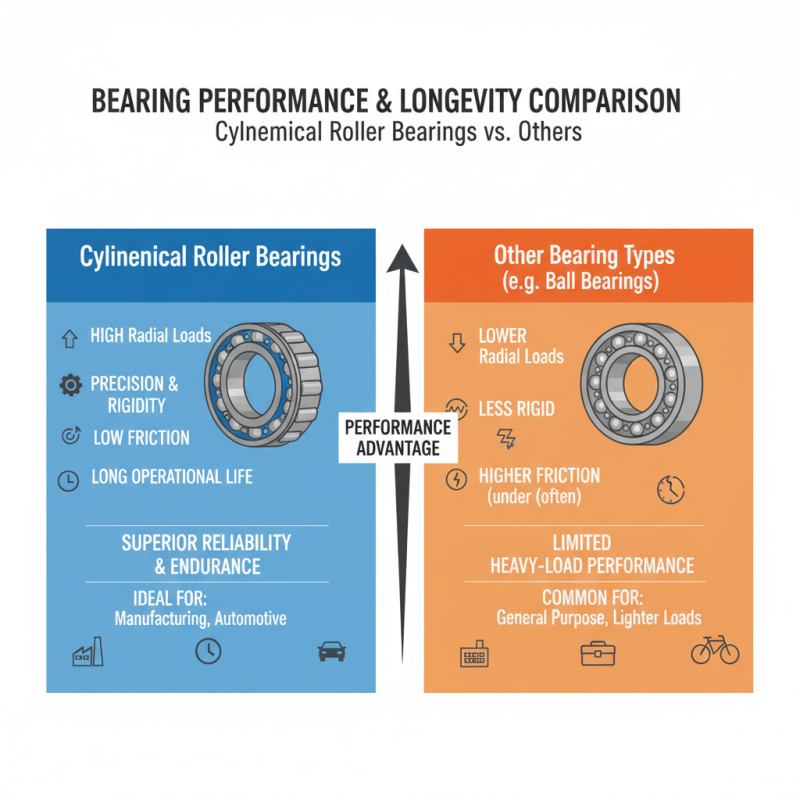
When it comes to bearing selections, cylindrical roller bearings stand out for their unique performance characteristics. They excel in handling heavy radial loads and maintain precise dimensions under high stress. This makes them ideal for industries like manufacturing and automotive, where reliability is paramount. Their design minimizes friction, contributing to better efficiency and longer operational life. In comparison, other bearing types, such as ball bearings, may struggle with high loads due to their different structure.
Cylindrical roller bearings also have notable longevity advantages. They are made for endurance, enduring harsh conditions without significant wear. This is a critical feature for sectors that prioritize downtime minimization. However, their performance can be susceptible to misalignment, highlighting the importance of proper installation. Other bearings may offer smoother operation at lower loads, but they typically do not match the lifespan of cylindrical roller bearings when faced with rigorous demands. Thoughtful selection and installation processes are essential to maximize the benefits of this bearing type.
Factors to Consider When Selecting Cylindrical Roller Bearings for Your Needs
Selecting the right cylindrical roller bearings for your industry requires careful consideration of several factors. These bearings excel in high-load applications due to their unique design. They provide excellent radial load capacity, which is crucial for heavy machinery. When working with high speeds, ensuring proper lubrication is key to longevity. You must analyze the operating conditions and load requirements thoroughly.
Material selection is another critical aspect. High-quality steels or specialized alloys can enhance performance and durability. Research indicates that corrosion resistance improves lifespan in harsh environments. Understanding these nuances is vital for maximizing efficiency.
Pay attention to the bearing's dimensional tolerances and internal clearances. These specifications affect the fit and capability of the bearing. An improper fit can lead to premature failure. Consider also the operating temperature range. High temperatures can degrade lubricant effectiveness. Understanding these facts can prevent unforeseen issues. Overall, diligent evaluation can lead to better choices.