What is a Cylindrical Roller Bearing and Its Applications?
Cylindrical Roller Bearings play a crucial role in modern machinery and equipment. Their design allows for high-load capacities and effective performance under various conditions. These bearings consist of cylindrical rollers, which provide a larger contact area than traditional bearings. As a result, they reduce friction and improve efficiency.
Cylindrical Roller Bearings find applications in many industries. They are commonly used in automotive, aerospace, and construction sectors. In electric motors, for instance, they help maintain smooth rotation while supporting heavy loads. The reliability of these bearings is essential for safety and operational longevity.
Despite their advantages, not all applications are ideal. Overheating and improper installation can lead to failure. Understanding the correct use and maintenance of Cylindrical Roller Bearings is necessary for optimal performance. Each application may present unique challenges, requiring careful consideration and expertise.
Definition and Structure of Cylindrical Roller Bearings
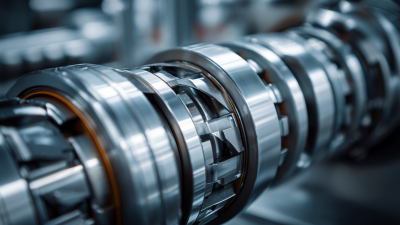
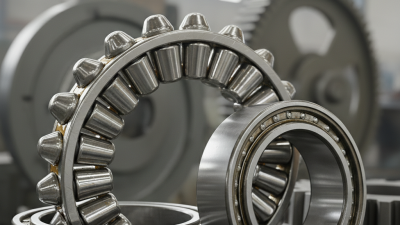
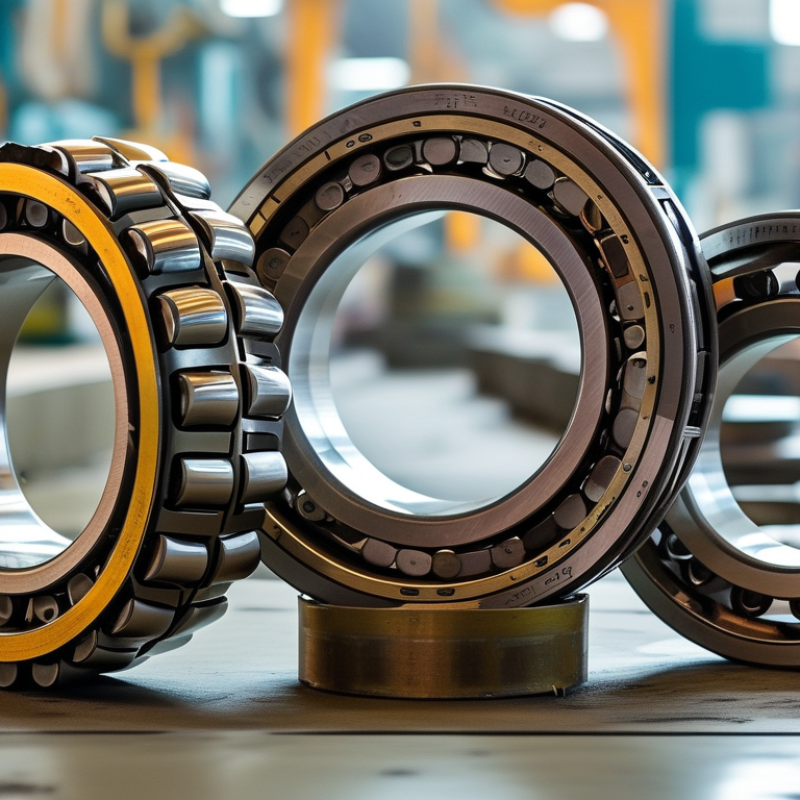
Cylindrical roller bearings are essential components in various mechanical systems. Their structure features cylindrical rollers that provide a large contact area. This design allows them to support heavy radial loads effectively. Each bearing comprises an inner and outer ring, along with the rollers inside. The shape of the rollers enables them to move with minimal friction. Thus, these bearings are known for their efficiency and durability.
The applications of cylindrical roller bearings span across industries. They are commonly used in motors, gearboxes, and conveyors. Their ability to withstand high speeds and heavy loads makes them popular in manufacturing. However, it’s important to select the right bearing for specific operational needs. Misalignment or wrong sizing can lead to premature wear, reducing performance. Understanding these factors is crucial for successful implementation.
Despite their benefits, not all cylindrical roller bearings perform equally. Materials, lubrication, and installation practices matter greatly. Even minor errors in installation can compromise their effectiveness. Regular maintenance checks are essential to ensure they function optimally. By paying attention to these details, users can enhance reliability and longevity.
Types of Cylindrical Roller Bearings and Their Features
Cylindrical roller bearings are essential components in various machines. They provide high radial load capacity and can handle heavy loads. Their design allows for minimal friction, which increases efficiency and lifespan.
There are various types of cylindrical roller bearings. One common type is the single-row bearing. It’s simple and widely used. This design allows for easy installation. Another option is the double-row cylindrical roller bearing. This type offers greater load capacity and stability. It’s ideal for heavy machinery and automotive applications. Each type serves distinct functions, ensuring optimal performance under specific conditions.
Tips: When choosing a cylindrical roller bearing, consider the load requirements. The application impacts the design and features you need. Regular maintenance is crucial for longevity. Inspect the bearings frequently for wear and tear. Sometimes, understanding the specific environment they operate in is overlooked. Contamination can lead to premature failure. Keeping the bearings clean is an often-neglected, but vital, aspect.
What is a Cylindrical Roller Bearing and Its Applications? - Types of Cylindrical Roller Bearings and Their Features
| Type of Cylindrical Roller Bearing |
Features |
Applications |
| Single Row Roller Bearings |
High radial load capacity, low friction. |
Electric motors, gearboxes. |
| Double Row Roller Bearings |
Increased load capacity, self-aligning. |
Industrial machinery, automotive applications. |
| Multi-Row Roller Bearings |
High load capacity, suitable for heavy-duty applications. |
Mining, construction equipment. |
| Filled Retainer Roller Bearings |
Enhanced lubrication, good for high speeds. |
High-speed machinery, turbines. |
Key Advantages of Using Cylindrical Roller Bearings
Cylindrical roller bearings are integral in various industrial applications, particularly where high load capacity is crucial. Their construction features cylindrical rollers, which provide a larger contact area compared to ball bearings. This design allows them to manage heavier loads and maintain operational efficiency. Industry reports indicate that cylindrical roller bearings can support radial loads up to 50% more than traditional ball bearings of comparable size. This makes them suitable for machinery in sectors like automotive, mining, and manufacturing.
One of the key advantages of using cylindrical roller bearings is their ability to reduce friction. This leads to lower energy consumption and heat generation. The rolling motion reduces wear and tear, extending the lifespan of both the bearing and the associated machinery. Research from the International Organization for Standardization (ISO) shows that effective lubrication systems paired with these bearings can enhance performance by up to 30%. However, it’s essential to monitor their operation closely. Misalignment or inadequate lubrication may counteract these advantages, leading to premature failure.
Their adaptability in different environments is noteworthy. Whether in high-speed or high-load situations, cylindrical roller bearings can meet diverse operational demands. Yet, this versatility comes with challenges. Engineers must ensure that the operating conditions are suitable. Continuous monitoring and regular maintenance are crucial to prevent inefficiencies. Failure to address these factors can result in unexpected downtimes and higher costs.
Common Applications in Various Industries
Cylindrical roller bearings are vital components in various industries due to their ability to handle
heavy loads and high speeds. These bearings consist of cylindrical rollers that provide a larger
contact area with the raceway, which helps distribute loads evenly. They are often used in automotive,
construction, and manufacturing sectors, among others.
In the automotive industry, these bearings are found in gearboxes and engines. They enhance the
performance of vehicles by reducing friction and providing stability. Construction equipment, like
excavators and cranes, also relies on cylindrical roller bearings for efficient operation under tough conditions.
Tip: Regular maintenance of these bearings can prolong their life. Inspections for
dirt, wear, or misalignment can save on costly repairs.
Manufacturing processes, such as CNC machining, utilize these bearings for precision. The ability to
operate at high speeds while maintaining accuracy makes them invaluable. However, overloading can lead
to premature failure, highlighting the need for proper application and installation.
Tip: Always consult technical specifications when selecting bearings. Choosing the
wrong type can lead to inefficiency or damage.
Maintenance and Troubleshooting for Cylindrical Roller Bearings
Cylindrical roller bearings are essential for various industrial applications. Proper maintenance is crucial for their longevity and efficiency. Regular inspections can catch wear and tear early. Look for signs of damage, such as unusual noises or vibrations during operation. These can indicate misalignment or lubricant failure.
Lubrication plays a vital role in keeping roller bearings functioning smoothly. Ensure that the lubricant is appropriate for the operating conditions. Over-lubrication can lead to overheating, while under-lubrication may cause friction and wear. Always check the lubrication levels frequently. Address any irregularities immediately to prevent costly failures.
Troubleshooting cylindrical roller bearings requires a keen eye. A vibrating machine may signal bearing issues. Examine the installation carefully to ensure proper fitting. If overheating occurs, investigate the load conditions and alignment. Sometimes, all it takes is a minor adjustment to rectify a significant problem. Listening to the bearings can provide insight into their condition, guiding necessary repairs before they escalate.