How to Choose V Groove Ball Bearing in 2026?
Choosing a V Groove Ball Bearing in 2026 requires more than matching a bore diameter. The correct choice must fit the track, load, speed, environment, and installation method. A small mistake can create noise, vibration, or premature wear.
Tedric A. Harris, a respected rolling-bearing researcher, expressed a useful principle: “Bearing life depends on load, speed, lubrication, and cleanliness.” His point remains highly relevant when selecting a V Groove Ball Bearing. The groove profile must match the rail or guide wheel. A bearing running on a sharp or poorly finished track may show uneven wear within weeks. Check the radial load, axial force, travel speed, and expected operating hours. Also consider whether the outer ring will rotate against steel, aluminum, plastic, or a coated surface.
Material matters too. Stainless steel can resist moisture, but it may not provide the same load capacity as hardened bearing steel. Sealed bearings reduce maintenance, although seals can increase friction. Open bearings may run freely, but they demand cleaner surroundings. Small details matter.
Do not rely on catalog ratings alone. Compare manufacturer drawings, ISO 281 life data, clearance values, lubrication limits, and mounting tolerances. Test one sample under real conditions, if possible. That step feels slow. It often prevents expensive redesigns.
A practical selection should balance performance, price, serviceability, and supply reliability. The cheapest V Groove Ball Bearing may become the costliest component after repeated replacement. Even experienced engineers can overlook contamination, rail alignment, or thermal expansion. That is why every specification deserves a second look before purchase.
What Is a V-Groove Ball Bearing and How Does It Work?
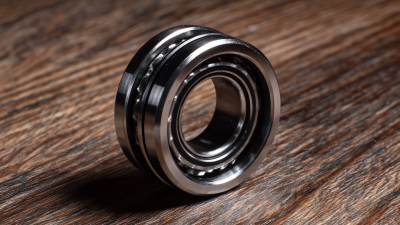
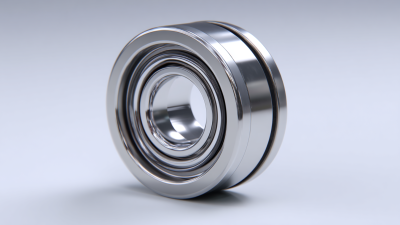
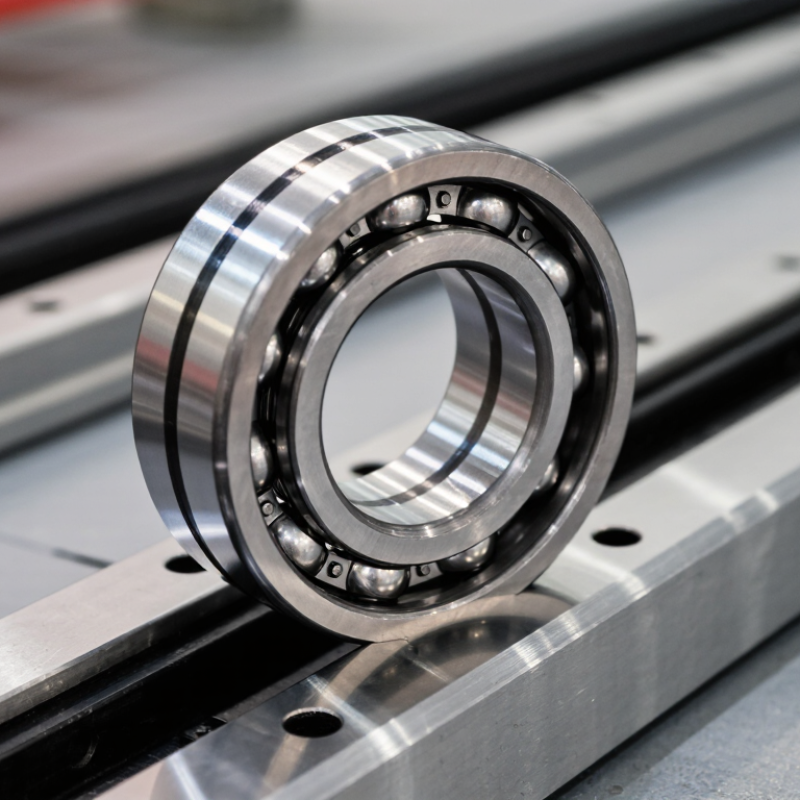
A V-groove ball bearing is a rolling guide component with a V-shaped profile on its outer ring. The groove captures a matching rail, edge, or angle section. Inside, hardened balls move between the inner and outer races. As the shaft rotates, rolling contact replaces sliding contact, reducing friction and heat. The V profile also limits sideways movement. It is not magic. Misalignment still creates uneven loading.
The bearing mainly supports radial loads, while the rail helps resist moderate axial and overturning forces. Seals retain grease and block dust, but they cannot fix water entry or poor mounting. ISO 281 defines basic rating life at 90% reliability, based on dynamic load rating and applied load. The U.S. Department of Energy’s Operations and Maintenance Best Practices guide reports that predictive maintenance can reduce costs by roughly 8–12%. That supports regular checks for vibration, noise, temperature, and groove wear.
In practical installation, the rail should touch both groove faces evenly. A common mistake is tightening the bearing until it feels “firm.” Excessive preload can increase heat and shorten service life. I would also question catalog load figures when shock loads, contamination, or frequent reversals exist. Actual performance may be lower. Clean mounting surfaces, correct grease, and measured alignment matter more than impressive numbers. A quiet bearing is useful evidence, not proof of perfect operation.
How to Choose a V-Groove Ball Bearing in 2026?
A V-groove ball bearing combines rolling elements with a V-shaped outer raceway, allowing the bearing to run on V-shaped rails or edges while carrying radial and limited axial loads. The chart compares common nominal bearing envelope sizes used in V-groove wheel assemblies. Bore, outside diameter, and width are shown in millimetres; groove geometry must be verified for the selected application.
When selecting a V-groove bearing, match the bore to the shaft, confirm the outside diameter and width fit the mechanism, check the V-groove angle and depth against the rail, and select suitable seals, material, speed rating, and load capacity for the operating environment.
Which V-Groove Ball Bearing Type Fits Your Application?
How to Choose V Groove Ball Bearing in 2026?
Which V-Groove Ball Bearing Type Fits Your Application?
Choosing the right V-groove ball bearing starts with the track, not the bore size. Measure the rail angle, wheel diameter, available space, and total load. A bearing must match the groove profile closely. A small mismatch can create edge contact and uneven wear.
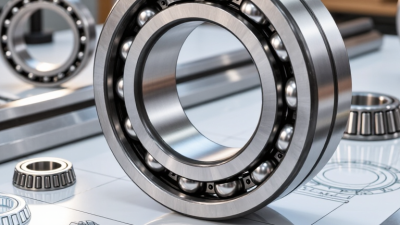
Single-row V-groove bearings suit light or moderate radial loads and simple guide systems. Choose double-row designs when the carriage faces higher loads, tilting forces, or frequent direction changes. Sealed bearings work better in dusty workshops or outdoor equipment. Open bearings may suit clean machinery with controlled lubrication. Stainless construction can help in damp environments, but it may carry a different load capacity.
Speed matters too. Check the bearing’s rated speed, operating temperature, and lubrication requirements before installation. I have seen systems fail early because users selected a bearing by bore size alone. That shortcut is tempting. It is also unreliable. During testing, move the carriage slowly by hand and feel for tight spots. Inspect the V surfaces after several operating cycles. Uneven marks often reveal poor alignment, excessive preload, or a rail that is not truly straight. Rechecking these details may seem unnecessary, yet it often prevents a costly replacement.
How to Inspect, Install, and Maintain a V-Groove Ball Bearing
How to Choose V Groove Ball Bearing in 2026?
How to Inspect, Install, and Maintain a V-Groove Ball Bearing
Inspect the V-groove ball bearing before installation. Check the groove for dents, rust, and dark polishing marks. Rotate it slowly by hand. It should feel smooth, without clicks or tight spots. A quiet bearing can still be damaged. Measure the shaft and housing fit with calibrated tools. Incorrect clearance may create heat, vibration, and early fatigue. ISO 15243 identifies raceway damage, contamination, and installation marks as common failure evidence.
Installation requires clean hands, correct tools, and controlled force. Press against the ring receiving the load. Never hammer through the rolling elements. Align the V-groove with the guide rail, then verify free travel across the full stroke. ISO 281 defines L10 life as the point where 90% of identical bearings are expected to survive. That figure is useful, but real dust and misalignment can reduce it sharply. The U.S. Department of Energy’s Operations & Maintenance Best Practices guide reports potential savings of 25–30% in maintenance costs through better maintenance planning. I would still treat that figure as a target, not a promise.
Tips: Keep the rail dry and covered. Use only the specified lubricant amount. Wipe away excess grease near the groove. Recheck preload after several operating cycles. Listen for changes. Record temperature, noise, and running hours. A monthly inspection may be reasonable, but harsh dust demands shorter intervals. My imperfect rule is simple: if inspection feels unnecessary, inspect anyway.