How to Choose the Best V Groove Ball Bearing for Your Projects
When selecting the best V Groove Ball Bearing for your projects, understanding its fundamental characteristics and applications is essential. V Groove Ball Bearings have become increasingly popular in various industries due to their ability to smoothly support radial loads while allowing for effective centering and tracking. According to a recent industry report by MarketsandMarkets, the global ball bearing market is projected to reach USD 96.57 billion by 2025, reflecting a compound annual growth rate (CAGR) of 7.5% from 2020. This growth underscores the importance of choosing the right type of bearing, particularly specialized designs like V Groove Ball Bearings, which cater to specific operational needs.
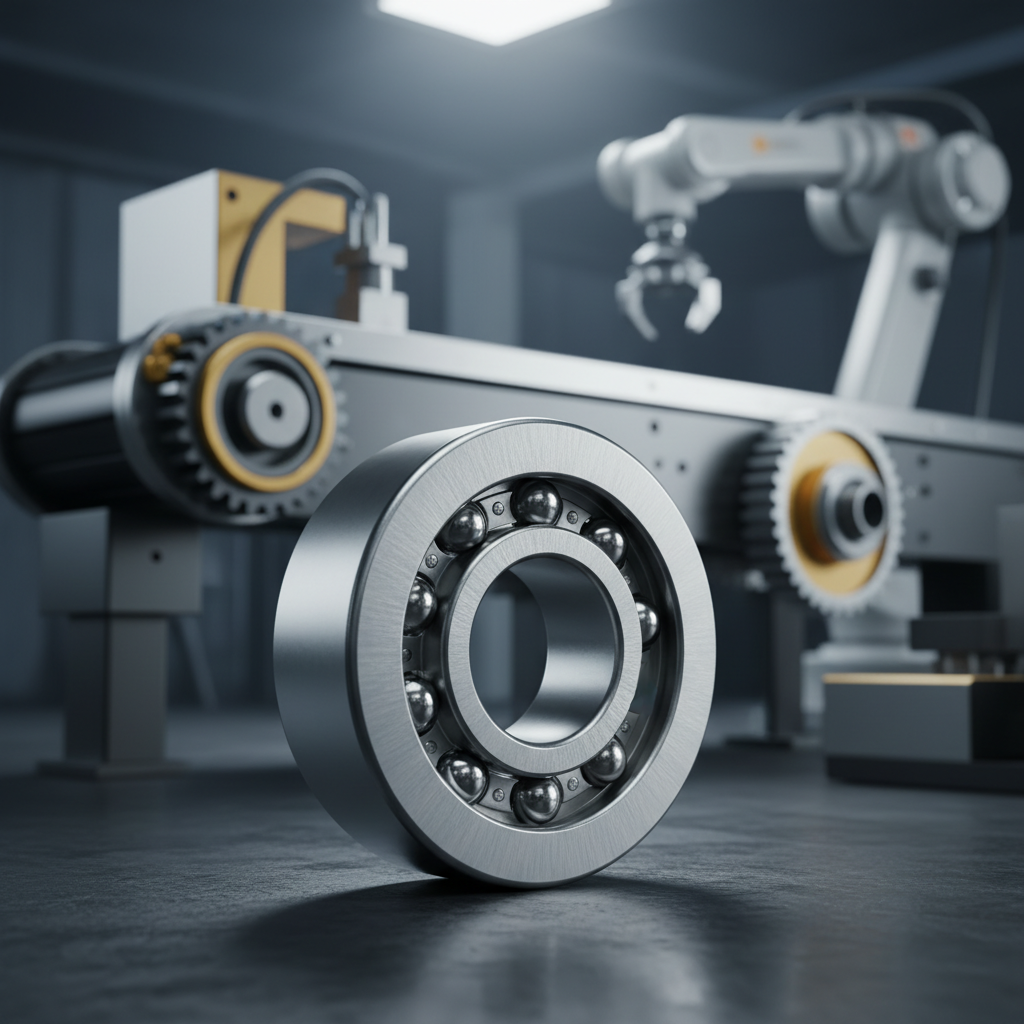
In addition to their robust load capacity, V Groove Ball Bearings are known for facilitating seamless angular movements. Whether it’s for automated machinery, conveyor systems, or CNC applications, these bearings provide essential performance and longevity. The right choice can result in improved efficiency and reduced maintenance costs. As industrial automation proliferates, the demand for superior rolling element designs—like V Groove Ball Bearings—will continue to surge, making it imperative for engineers and project managers to stay informed about the latest developments and selection criteria.
Understanding the Basics of V Groove Ball Bearings for Optimal Performance
V groove ball bearings are essential components in various applications, particularly in systems requiring linear movement and support. Understanding the basics of these bearings can significantly enhance their performance and longevity. The unique design features a groove that allows the bearing to run smoothly along a track or rail, offering increased stability and reduced friction. This design is particularly beneficial in applications such as conveyor systems, CNC machines, and automated assembly lines, where precise linear motion is crucial.
When selecting a V groove ball bearing, several factors must be considered for optimal performance. Load capacity is a primary concern; ensure that the bearing's specifications align with the weight and operational demands of your project. Additionally, material quality plays a vital role in durability and resistance to wear and environmental factors. Proper lubrication also cannot be overlooked, as it minimizes friction and heat buildup, leading to a more efficient and longer-lasting bearing. By understanding these fundamental aspects, you can make informed choices that will enhance the effectiveness of your projects.
How to Choose the Best V Groove Ball Bearing for Your Projects - Understanding the Basics of V Groove Ball Bearings for Optimal Performance
| Bearing Size (inches) |
Material |
Load Capacity (lbs) |
RPM Rating |
Price ($) |
| 1.5 x 1.0 |
Steel |
400 |
3000 |
25.00 |
| 2.0 x 1.5 |
Stainless Steel |
600 |
2500 |
36.50 |
| 3.0 x 2.0 |
Plastic |
200 |
2000 |
15.75 |
| 2.5 x 1.75 |
Brass |
350 |
2800 |
29.99 |
Key Factors to Consider When Selecting V Groove Ball Bearings
When selecting V groove ball bearings for your projects, several key factors demand careful consideration. First, the load capacity is paramount; it's crucial to choose bearings that can sustainably support the weight and dynamic loads your application will impose. According to a report from the Roller Bearing Industry Leaders, bearings that meet or exceed a C92 rating are ideal for high-load environments, ensuring longevity and performance under stress.
Another important factor is the material composition of the bearings. Typically, V groove ball bearings are available in both stainless steel and plastic compounds, each offering distinct advantages. Stainless steel provides superior strength and corrosion resistance, essential for applications exposed to harsh environments, as highlighted in the Materials Science Journal, which reported a 15% longer lifespan for stainless steel bearings in saline conditions compared to their plastic counterparts. On the other hand, plastic bearings are lighter and can handle moderate loads effectively, making them suitable for applications requiring minimal weight.
Finally, the precision of the bearing is vital for smooth operation and minimal friction. High-quality bearings often feature precise tolerance levels, indicated by their ABEC ratings. An ABEC-5 rated bearing, for instance, demonstrates a good balance of speed and noise reduction, making it suitable for applications requiring high RPMs. By focusing on these factors—load capacity, material, and precision—you can ensure you select the best V groove ball bearings tailored to your specific project needs.
V Groove Ball Bearings Selection Factors
Comparing Different Materials and Designs for V Groove Ball Bearings
When selecting a V groove ball bearing for your projects, understanding the various materials and designs is crucial. Common materials include stainless steel, carbon steel, and plastic.
Stainless steel bearings are known for their corrosion resistance and durability, making them suitable for environments exposed to moisture or chemicals. On the other hand, carbon steel bearings offer superior strength and load capacity but may be prone to rust if not properly maintained.
Plastic bearings can be advantageous in lightweight applications and are resistant to corrosion, though they may not support as heavy loads as their metallic counterparts.
In addition to material considerations, the design of the bearing plays a significant role in performance. V groove ball bearings can come in different configurations, such as single or double-row designs. A single-row bearing is ideal for applications requiring minimal space, while a double-row design offers increased stability and load distribution.
Furthermore, the groove angle and depth can affect the bearing's ability to handle radial and axial loads. Assessing the specific requirements of your project—such as load capacity, environmental conditions, and space constraints—will help you choose the best V groove ball bearing to ensure optimal functionality and longevity.
Analyzing Load Capacity and Speed Ratings for Project Requirements
When selecting the best V groove ball bearing for your projects, it is crucial to thoroughly analyze both load capacity and speed ratings to ensure optimal performance. Load capacity refers to the maximum weight a bearing can support without experiencing failure, making it essential to match this specification with the weight and load conditions of your specific application. For instance, if your project involves heavy machinery, you will require a bearing with a high load capacity to withstand the operational forces and prevent premature wear or damage.
In addition to load capacity, speed ratings play a vital role in determining how effectively a V groove ball bearing will perform under dynamic conditions. Speed ratings indicate the maximum rotational speed at which a bearing can operate safely without overheating or sustaining damage. If your application demands high-speed operations, opting for a bearing designed with superior lubrication and optimized materials will enhance longevity and efficiency. By carefully balancing these two factors, you can select a V groove ball bearing that meets the unique requirements of your project, maximizing both performance and reliability.