How to Choose the Right Tapered Roller Bearing for Your Needs?
Tapered Roller Bearings play a crucial role in modern machinery. They are widely used in automotive and industrial applications. According to a recent report by MarketsandMarkets, the global tapered roller bearing market is projected to reach $XX billion by 2025, reflecting its growing importance in various sectors.
When selecting the right tapered roller bearing, one must consider load capacity, size, and material. Poor choice may lead to excessive wear and early failure. It's vital to consult manufacturers’ specifications and industry standards to make the most informed decision. Notably, bearing failures can cause significant downtime and costly repairs, emphasizing the need for careful selection.
Often, users underestimate the importance of precision in bearing selection. This oversight can lead to inefficiencies. Be mindful of factors such as operating conditions and maintenance requirements. Each bearing has its unique performance characteristics that must align with specific applications. Understanding these nuances is essential for optimal performance and longevity of machinery.
Understanding Tapered Roller Bearings: Basics and Applications
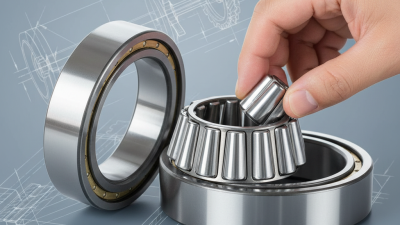
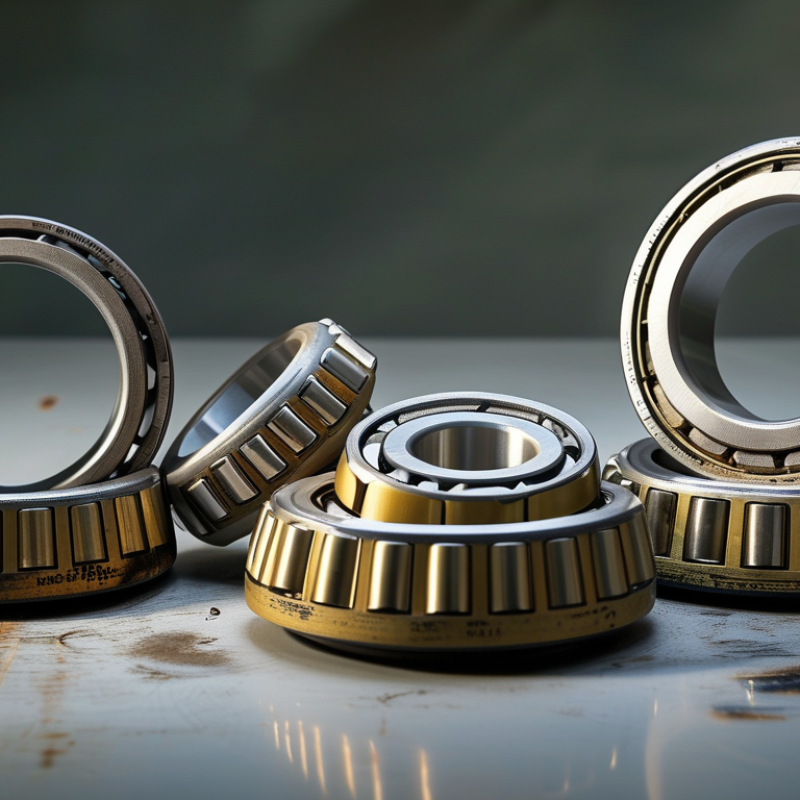
Tapered roller bearings play a crucial role in various applications. These bearings are designed to handle both radial and axial loads. Their unique shape allows for optimal distribution of stress. Industries like automotive, aerospace, and manufacturing rely on them for efficiency and durability.
When selecting a tapered roller bearing, you should consider several factors. Load capacity is essential. Ensure the bearing can handle the expected weight and pressure. The operating temperature range is also important. Excessive heat can lead to failure.
It's useful to understand the installation process. Misalignment can cause uneven wear. Regular maintenance is vital as well. Lubrication can extend the life of the bearing. Inspections should be routine to identify potential issues early.
Incorrect selection can lead to performance issues. Researching specifications helps avoid mistakes. Consulting with experts can provide valuable insights. Don't overlook the importance of proper fitting; it can significantly affect longevity.
How to Choose the Right Tapered Roller Bearing for Your Needs?
| Bearing Type |
Load Capacity (kN) |
Inner Diameter (mm) |
Outer Diameter (mm) |
Width (mm) |
Applications |
| Single Row |
15 - 50 |
20 - 40 |
40 - 80 |
10 - 20 |
Automotive, Machinery |
| Double Row |
30 - 100 |
30 - 60 |
70 - 120 |
15 - 25 |
Heavy-load, Construction Equipment |
| Four Row |
100 - 300 |
40 - 80 |
100 - 200 |
25 - 40 |
Steel Industry, Mining |
| Tapered Roller Assembly |
20 - 60 |
25 - 50 |
50 - 90 |
10 - 15 |
Aerospace, High-speed Applications |
Key Factors in Selecting Tapered Roller Bearings
When selecting tapered roller bearings, focus on key factors that impact performance. The first consideration is load capacity. According to industry reports, tapered roller bearings can support both radial and axial loads. This makes them ideal for applications such as automotive wheel hubs, where combined loads are common. Assessing your load requirements helps in choosing the right bearing size and design to enhance durability.
Another important factor is the bearing's operating environment. Thermal conditions, humidity, and vibration levels can significantly alter bearing performance. A report from the American Bearing Manufacturers Association (ABMA) indicates that bearings used in harsh environments require special coatings or lubrication. Failure to consider these factors can lead to premature wear and increased maintenance costs.
Additionally, the precision of the bearing is crucial. Precision bearings can improve efficiency and reduce friction. Still, they may come at a higher initial cost. Balancing performance with budget constraints is essential. Some models may not perform as expected if they are not suited for a specific application. Regular testing and evaluation can help in making informed choices and prevent costly errors.
Identifying Size and Load Requirements for Your Application
Choosing the right tapered roller bearing requires understanding the specific needs of your application. Size and load requirements are critical factors. Begin by accurately measuring the shaft diameter and housing dimensions. Tapered roller bearings have a range of sizes that suit various loads and operating conditions. Missing the correct size can lead to premature wear or failure.
Consider the load capacity as it directly affects performance. Each bearing has a dynamic load rating, which tells you the maximum load it can withstand under typical conditions. Analyze the application’s load characteristics. Will it be static or dynamic? How frequent are the load changes? These questions shape your selection process.
When you choose, keep in mind that different designs can affect bearing life. The angle of the cone in tapered roller bearings can influence load distribution. An increased contact angle may enhance load-carrying capacity. Test various bearing setups where possible. This can provide insights into performance under your specific conditions. Remember, a careful approach to size and load will yield better results.
How to Choose the Right Tapered Roller Bearing for Your Needs
Material and Design Considerations for Optimal Performance
When selecting tapered roller bearings, material and design play critical roles. The materials used in manufacturing these bearings significantly affect their performance and lifespan. According to a report by the American Bearing Manufacturers Association, high-carbon chromium steel is commonly used due to its excellent hardness and wear resistance. However, alternatives like case-hardened steel can offer improved fatigue resistance in specific applications. Understanding these material properties can lead to better choices for particular load and speed requirements.
Design considerations also highly impact performance. The geometry of the roller and raceway influences load distribution. A well-designed contact angle can enhance load capacity. Research indicates that a modification of this angle by even a few degrees can increase bearing life by up to 40%. Additionally, the internal clearance in the assembly must be tailored to suit operating conditions, affecting heat generation and vibration levels. Inadequate clearance might lead to premature failure, underscoring the necessity for precise design based on specific applications.
Despite advancements in bearing technology, challenges remain. Manufacturing irregularities can occur, leading to variations in performance. Regular quality assurance checks are essential to ensure reliability. Thoroughly evaluating the design and material while being mindful of potential imperfections is vital when choosing the right tapered roller bearing. Keeping these details in mind can substantially impact the effectiveness and durability of your equipment.
Maintenance and Lifespan Considerations for Tapered Roller Bearings
Tapered roller bearings are essential in many industrial applications. They support both axial and radial loads. Proper maintenance can significantly extend their lifespan. In fact, according to industry research, effective maintenance can increase bearing life by up to 50%.
Regular inspections are crucial. Monitor operating temperatures and noise levels during operation. Overheating often indicates excessive friction. This might signal a need for lubrication or alignment correction. Also, check for signs of wear. Small particles can indicate deteriorating components. Early detection reduces the risk of catastrophic failure.
Lubrication quality also affects performance. Use the right type of grease, taking into account the operating conditions. Contaminated lubricants can cause severe damage. Research shows that even a small amount of debris can halve the lifespan of a bearing. Maintaining a clean environment around the bearings is equally important. Dust and moisture can lead to premature wear. Regular cleaning routines help ensure optimal performance and longevity.