How to Choose the Right Taper Roller Bearing for Your Application?
Choosing the right Taper Roller Bearing for your specific application can be a daunting task. Industry expert Mark Johnson states, "Selecting the correct bearing type is critical for performance and longevity." Taper Roller Bearings are widely used in various industries due to their ability to handle both radial and axial loads. However, the vast selection may overwhelm those unfamiliar with the technical specifications.
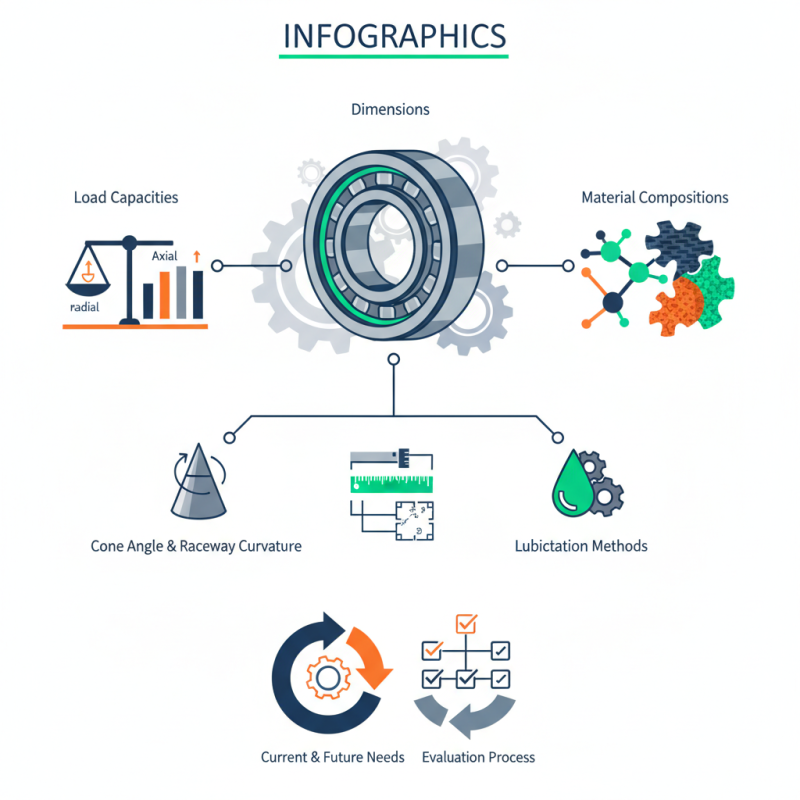
Understanding the load capacities, dimensions, and material compositions of Taper Roller Bearings is essential. Metrics like cone angle, raceway curvature, and lubrication methods can significantly affect performance. For instance, improper sizing could lead to premature wear or failure. Many users overlook these details, which can result in costly downtime.
It’s crucial to evaluate not only your current needs but also future requirements. Taper Roller Bearings should match not only your existing machinery but also adapt to any changes. Reflect on your selection process; ensure it aligns with both technical specifications and application requirements.
Understanding the Basics of Taper Roller Bearings
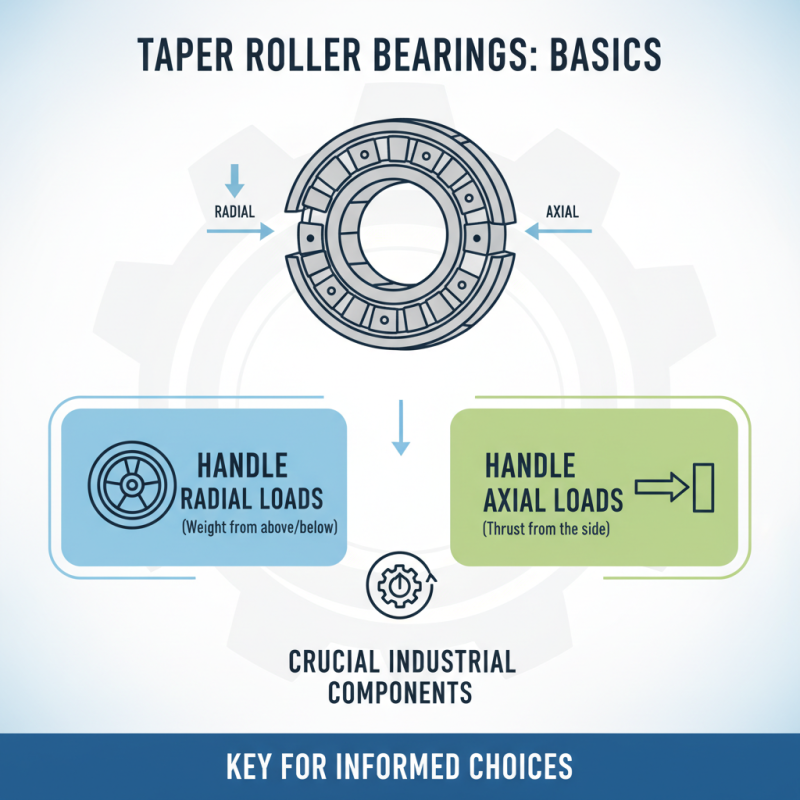
Taper roller bearings are crucial components in many industrial applications. These bearings can handle both radial and axial loads effectively. Understanding their basics is essential for making informed choices.
A taper roller bearing consists of an inner and outer race, plus tapered rolling elements. The taper allows for better load distribution, which reduces stress on the bearing. This design is particularly beneficial in heavy machinery, where reliability is paramount. Different sizes and load capacities are available. Selecting the correct type involves considering the application’s specific requirements.
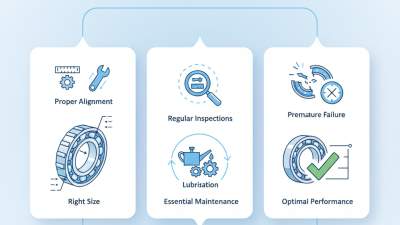
Installation and alignment are critical factors. An incorrect fit can lead to premature wear or failure. Regular maintenance also plays a vital role. It’s surprising how many overlook this step. Little details, like lubrication, can greatly impact performance. Choose wisely, as mistakes can be costly.
Key Factors to Consider in Bearing Selection
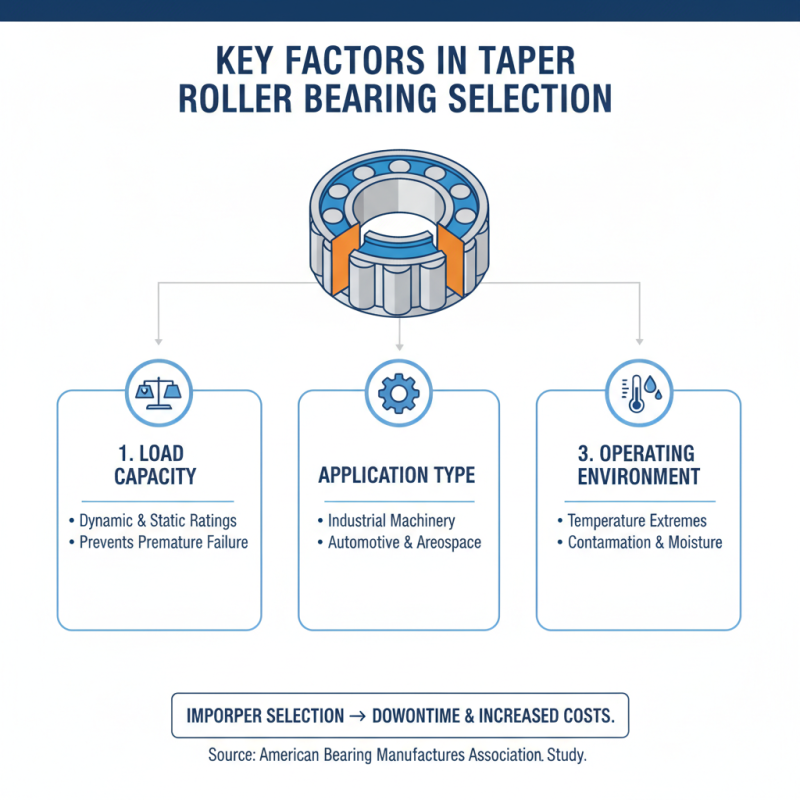
When selecting a taper roller bearing, key factors play a crucial role. Factors such as load capacity, application type, and operating environment greatly influence performance. Understanding the dynamic and static load ratings is essential. A study by the American Bearing Manufacturers Association indicates that improper load selection can lead to premature failure, causing downtime and increased costs.
Tip: Always consider the maximum load and ensure that the bearing can handle it comfortably. This helps in prolonging the lifespan of the bearing.
Environmental conditions also matter. High temperatures and exposure to contaminants can compromise bearing integrity. According to a report from the International Organization for Standardization, nearly 30% of bearing failures are due to environmental factors. Therefore, be cautious when installing bearings in harsh environments.
Tip: Use seals or shields to protect bearings from dust and moisture. This simple step can dramatically enhance durability.
Ultimately, selecting the right taper roller bearing requires careful consideration of multiple variables. Attention must be paid to specifications and real-world application demands. Evaluating these elements leads to better performance and reliability in machinery.
Evaluating Load Capacity and Performance Requirements
Choosing the right taper roller bearing involves careful evaluation of load capacity and performance requirements. Load capacity refers to the amount of weight the bearing can support while maintaining optimal performance. According to industry reports, taper roller bearings can handle radial and axial loads simultaneously, making them suitable for various applications. These bearings are often rated based on dynamic load capacity. For example, a typical bearing might support around 25,000 to 150,000 pounds of dynamic load.
Understanding your application’s performance requirements is equally crucial. Factors such as speed, temperature, and lubrication will impact the bearing’s effectiveness. Research indicates that high-speed applications often require bearings with lower friction coefficients. Moreover, adapting to thermal expansion can be challenging. A bearing that performs well at room temperature may not fare as well under higher thermal loads. Inadequate performance can lead to premature failure, resulting in increased downtime and costs.
When selecting bearings, consider using simulation tools. These can help estimate performance under various operating conditions. Utilizing analytical tools can reflect load distributions more accurately. Always revisit your choices as application conditions evolve. Regular assessments can lead to better bearing life and enhanced machinery efficiency. Balancing load capacity with performance metrics isn't always simple, but it’s essential for long-term reliability.
How to Choose the Right Taper Roller Bearing for Your Application? - Evaluating Load Capacity and Performance Requirements
| Bearing Type |
Dynamic Load Rating (kN) |
Static Load Rating (kN) |
Speed Factor (n x dm) |
Operating Temperature (°C) |
| Single-row Tapered Roller Bearing |
25.0 |
15.0 |
600,000 |
-20 to 100 |
| Double-row Tapered Roller Bearing |
40.0 |
25.0 |
900,000 |
-20 to 120 |
| Four-row Tapered Roller Bearing |
80.0 |
50.0 |
500,000 |
-20 to 150 |
Material and Design Considerations for Taper Roller Bearings
When choosing taper roller bearings, material and design play crucial roles. The choice of material affects durability and performance. Common materials include chrome steel, stainless steel, and ceramic. Chrome steel offers strength, while stainless steel resists corrosion. Ceramic bearings, though costlier, excel in lightweight applications and extreme conditions.
Design considerations are equally important. Bearing shape influences load distribution and contact angle. A steeper angle can handle heavier loads, while a shallower angle offers better speed capabilities. Consider manufacturing tolerances in design as well. Precision in these tolerances ensures a better fit and extended bearing life.
Tips: Always evaluate the operating environment. Heat and moisture can degrade some materials swiftly. Adjusting designs to accommodate these factors can enhance performance. Engage with engineers when selecting bearings. Their insights on application requirements and stress points can prevent miscalculations. Remember, the right choice reflects a balance between performance and reliability.
Maintenance and Installation Tips for Optimal Performance
Choosing the right taper roller bearing involves more than just selection. Proper maintenance and installation can significantly enhance performance. Regularly inspect for wear and tear. A frayed component can lead to costly downtimes. Check the alignment frequently. Misalignment can cause uneven loading and premature failure.
When installing taper roller bearings, cleanliness is critical. Contaminants can easily damage them. Use clean tools and work in a dust-free environment. Apply the right amount of lubrication. Too little can result in excessive friction, while too much can make the bearing run hot.
During operation, listen for unusual noises. Squeaking or grinding sounds indicate issues. Ensure that the operational temperature remains within the manufacturer's guidelines. An overheating bearing is a signal that something is wrong. Regular audits of your bearings can prevent unexpected failures and extend their lifespan.
Performance Comparison of Different Taper Roller Bearings