Why Choose V Groove Ball Bearings for Your Applications?
Choosing the right bearing for your application is crucial. In the world of motion and stability, V Groove Ball Bearings stand out. They offer unique features that can enhance performance in various systems. Their design allows for smooth, efficient motion in tracks and guides. This makes them ideal for applications like conveyor systems and robotics.
V Groove Ball Bearings are easy to install and align. Their versatility accommodates different loads and speeds. Users benefit from increased durability and reduced maintenance needs. However, it's essential to assess if they fit specific operational demands. Industries vary, and not every bearing is perfect. Mistakes can happen if the wrong choice is made.
Many professionals recommend V Groove Ball Bearings for their reliability. Yet, understanding the nuances is critical. Knowing when to choose them boosts efficiency and safety. It’s essential to weigh advantages against potential challenges in performance. A careful approach ensures the best outcome for each application.
Understanding V Groove Ball Bearings and Their Design Features
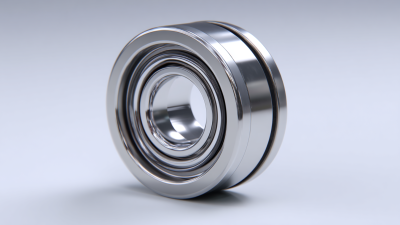
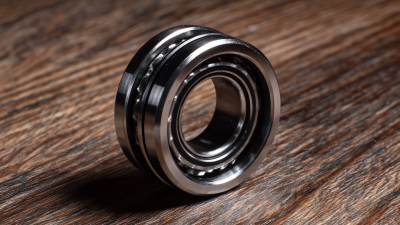
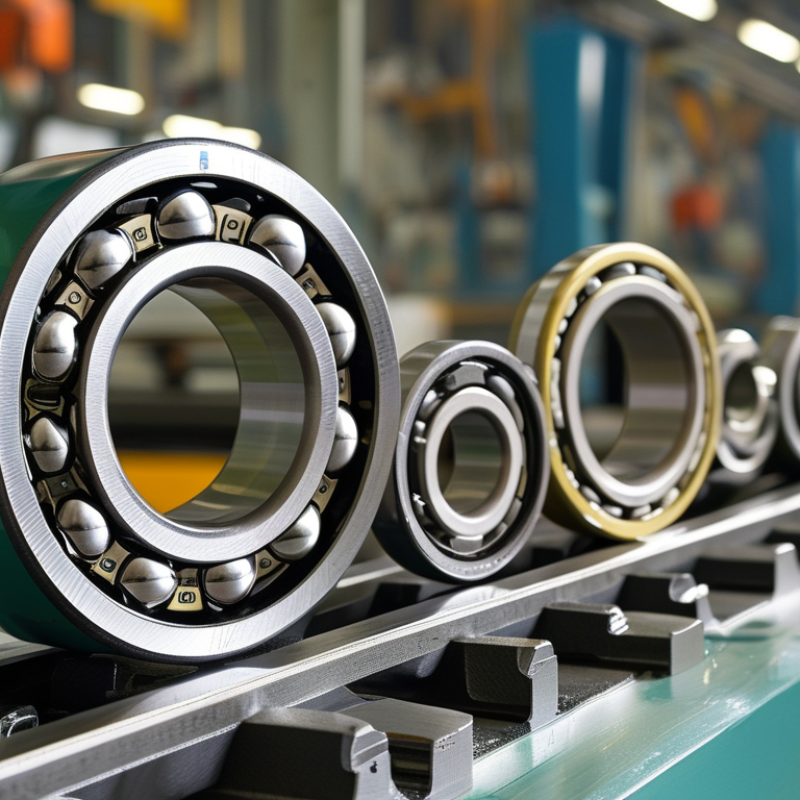
V groove ball bearings are specially designed to facilitate smooth rolling along tracks and rails. Their unique V-groove shape allows for precise alignment and minimizes friction. This feature makes them ideal for various applications, such as conveyor systems and automated machinery.
The design of V groove ball bearings enhances their ability to support radial and axial loads. With proper installation, they provide efficient movement and increased durability. However, alignment is crucial. Poor installation can lead to uneven wear over time, diminishing performance. Regular maintenance can help identify such issues early.
In applications where space is limited, V groove ball bearings are especially useful. They can be installed in compact areas while still delivering reliable performance. Yet, users sometimes overlook the importance of lubrication. Insufficient lubrication can accelerate wear and tear. Understanding these aspects ensures better operational efficiency and prolongs their service life.
Benefits of V Groove Ball Bearings in Applications
Key Advantages of Using V Groove Ball Bearings in Various Applications
V groove ball bearings have gained popularity in various industries due to their unique design and functionality. Their deep groove allows for smooth movement along V-shaped tracks, making them ideal for applications that require precise alignment and minimal friction. According to a recent industry report, bearings can improve system efficiency by up to 30% when the correct type is used.
One significant advantage of V groove ball bearings is their versatility. They are often used in conveyor systems, medical equipment, and robotics. A survey conducted by the National Bearing Association found that 70% of manufacturers reported reduced maintenance costs after switching to V groove bearings. This reduction often stems from their enhanced load distribution and reduced wear.
Despite their advantages, there are some considerations to keep in mind. V groove ball bearings can be sensitive to misalignment, which may lead to premature failure. It's crucial to ensure proper installation and alignment for optimal performance. This attention to detail can help minimize the risk of operational issues.
Applications and Industries Utilizing V Groove Ball Bearings
V groove ball bearings are increasingly utilized across various industries. They are particularly effective in applications requiring precise and smooth motion. The design of these bearings allows for easy integration in tracks and linear systems. This makes them ideal for machinery that includes conveyor systems, robotics, and CNC tools.
In manufacturing, V groove ball bearings excel in automated systems. They help reduce friction, improving the efficiency of moving parts. This translates to lower energy costs and increased productivity. In the automotive industry, these bearings are used in sliding doors and adjustable mirrors. Their reliability makes them a critical component in enhancing user experience.
However, users must consider certain factors. Load capacity can vary significantly based on the application. Overloading can lead to premature wear. Regular maintenance is crucial for longevity. Employing the right type of grease can enhance performance but requires careful selection. These considerations remind us that even dependable components have limitations. Ensuring proper installation and alignment is vital to fully leverage their advantages.
Maintenance Tips for Enhancing the Longevity of V Groove Ball Bearings
V Groove ball bearings play a crucial role in various applications, particularly in systems requiring smooth linear motion. To enhance their longevity, proper maintenance is essential. Studies show that nearly 42% of bearing failures are attributed to inadequate lubrication. Regularly inspecting and topping off lubrication can prevent excessive wear and prolong operational life. A maintenance schedule that includes inspections every 500 hours can catch issues early.
Cleaning is another vital aspect of maintenance. Dust and debris can compromise performance. Implementing a cleaning routine using compressed air or specialized cleaners can significantly reduce risks. In fact, data indicates that continuous exposure to contaminants can shorten bearing life by 30%.
Vibration analysis is an effective diagnostic tool. It detects imbalances or misalignments that may lead to premature failure. Monitoring vibration levels regularly ensures that any anomalies are addressed promptly. Neglecting this could result in unexpected downtime and costly repairs. Embracing these maintenance practices not only improves performance but also fosters a proactive approach to equipment management.
Comparative Analysis: V Groove Ball Bearings vs. Other Bearing Types
V Groove ball bearings have gained popularity in various applications due to their unique design and functionality. These bearings are known for their ability to handle radial and axial loads effectively. A comparative analysis shows they often outperform traditional bearings in specific scenarios. According to industry reports, V Groove ball bearings tend to have a lower friction coefficient, averaging around 0.001 to 0.003 compared to other types. This leads to energy savings and improved efficiency, especially in conveyor systems.
Moreover, their groove design allows for a better fit on rails, enhancing stability and precision. Industries such as automation and robotics have noted a 10% increase in operational reliability when using V Groove ball bearings versus standard types. However, it's essential to consider that these bearings may not excel in extremely high-speed applications. In those cases, conventional bearings might be preferred.
It’s crucial for engineers to weigh the pros and cons based on specific application needs. Despite their advantages, concerns may arise regarding compatibility and maintenance. Regular inspection is necessary to ensure longevity. This highlights the importance of understanding the bearings' characteristics and how they align with project requirements.