How to Choose the Right Wheel Hub Bearing for Your Vehicle?
Choosing the right Wheel Hub Bearing is crucial for vehicle performance and safety. Industry data indicates that around 30% of wheel hub bearing failures lead to significant accidents. Proper selection reduces these risks. A suitable bearing enhances stability and handling, directly impacting driver control.
When selecting a Wheel Hub Bearing, consider various factors. Vehicle type, load capacity, and driving conditions all play vital roles. Reports suggest that over 50% of aftermarket replacements fail to meet OEM standards, leading to premature wear. This emphasizes the need for careful evaluation of quality and compatibility.
Some might overlook the importance of installation quality. Poor installation can diminish performance, regardless of the bearing's quality. Research highlights that improper fitting reduces lifespan by up to 40%. Thus, understanding your wheel hub bearing requirements is essential for maintaining safety and performance.
Understanding the Function of Wheel Hub Bearings in Vehicles
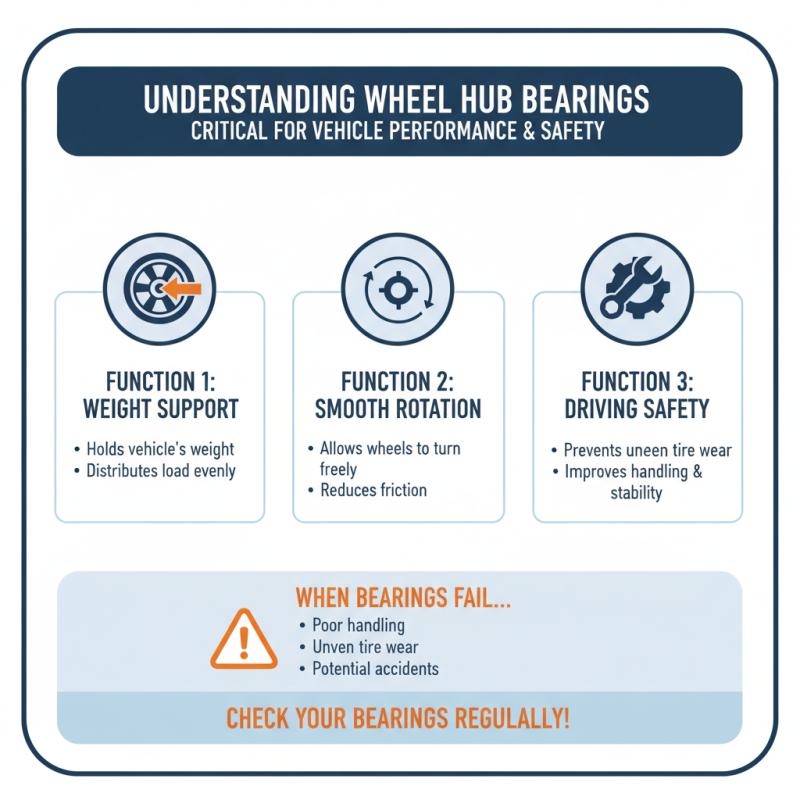
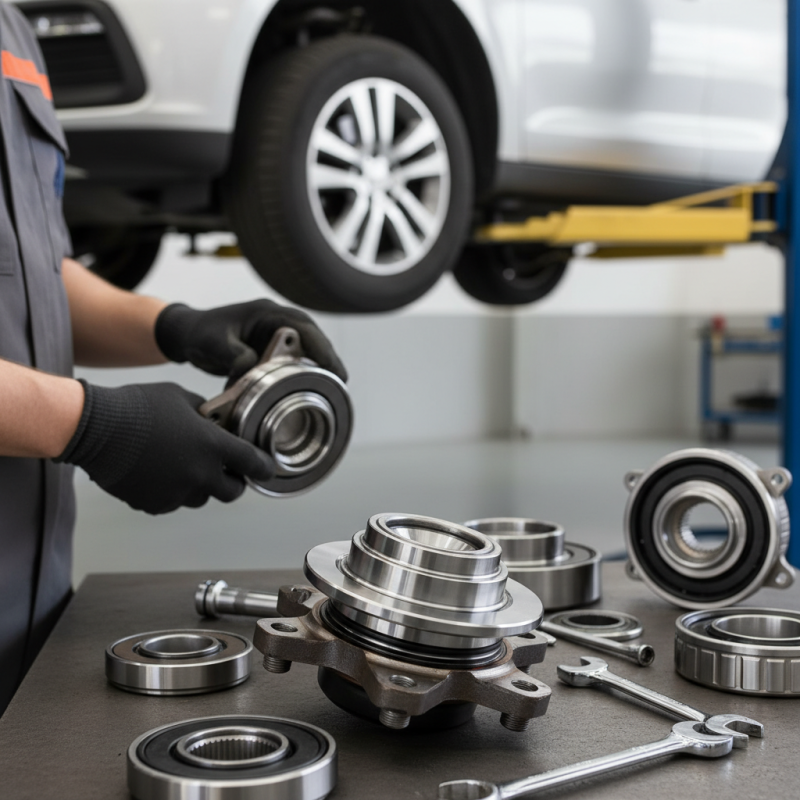
Wheel hub bearings play a critical role in vehicle performance. They support the weight of the vehicle and allow the wheels to rotate smoothly. This component is often overlooked but essential for safe driving. When wheel hub bearings wear out, it can lead to uneven tire wear, poor handling, and even accidents.
Understanding the function of these bearings is vital. They not only facilitate movement but also absorb shocks from the road. A properly functioning bearing minimizes vibrations, ensuring comfort during rides. If you hear a grinding noise or experience steering issues, it’s time to inspect the bearings. Ignoring these signs can result in costly repairs down the line.
Choosing the right wheel hub bearing can be tricky. Vehicle specifications differ widely. It’s crucial to consider size, load capacity, and material. Not all bearings are created equal, and poor choices can diminish performance. Reliable installation is equally important. Even high-quality bearings can fail if not installed correctly. It's a reminder that both parts and workmanship matter in vehicle maintenance.
Identifying the Different Types of Wheel Hub Bearings Available
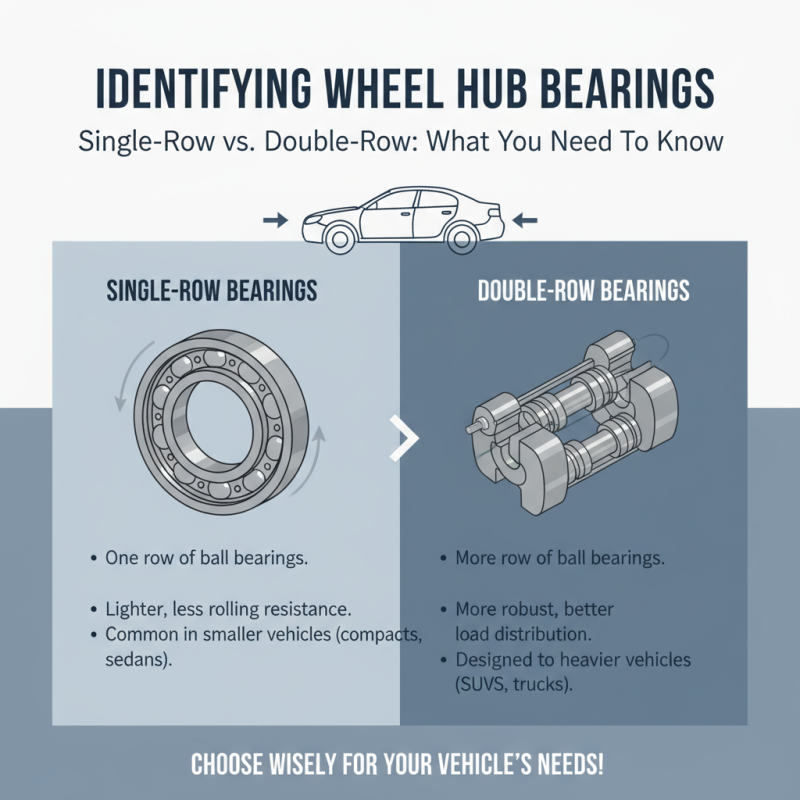
When choosing a wheel hub bearing for your vehicle, understanding the types available is crucial. There are generally two main types: single-row and double-row bearings. Single-row bearings are often lighter and provide less rolling resistance. They are common in smaller vehicles. On the other hand, double-row bearings are more robust. They are designed for heavier vehicles, offering better load distribution and durability.
According to a recent industry report, the global wheel hub bearing market is projected to grow significantly, expected to reach $19.3 billion by 2025. This growth reflects the increasing demand for high-performance vehicles. Additionally, the rise in vehicle sales and advancements in technology are pushing manufacturers to create more efficient bearings. However, selecting the right type isn't always straightforward. Many consumers overlook the specifications crucial for performance, like load ratings and noise levels.
It's not just about the type of bearing. Installation plays a critical role too. Improper installation can lead to premature failure. Many users neglect to consult professionals for proper fitting, which can be detrimental. Awareness of these factors can help drivers make informed choices. Investing time in research can prevent costly mistakes down the line. Knowing your vehicle's specific needs is essential for finding the right wheel hub bearing.
Factors to Consider When Selecting Wheel Hub Bearings
When selecting wheel hub bearings, one must consider several key factors to ensure optimal performance. First, the type of vehicle matters significantly. Different vehicles have unique specifications and requirements. Larger vehicles often need heavier-duty bearings. These bearings can withstand more weight and stress.
Material quality is another crucial factor. Bearings made from high-carbon steel tend to offer better durability. This material can resist wear and provide a longer lifespan. It’s essential to evaluate the manufacturer's reputation for quality. Always prioritize reliable suppliers with a track record in the industry.
Installation processes can vary, making it vital to consult a professional if unsure. Incorrect installation may lead to premature failure. Knowing what tools and parts you'll need can streamline the process. Lastly, research and compare different products can clarify what best suits your needs. This effort may feel intensive but can save you time and money in the long run. Reflecting on these factors will aid in making informed decisions for your vehicle's performance.
How to Choose the Right Wheel Hub Bearing for Your Vehicle?
| Factor |
Description |
Importance Level |
| Vehicle Make and Model |
Different vehicles require specific wheel hub bearings. |
High |
| Driving Conditions |
Consider if you drive on highways, off-road, or in harsh conditions. |
Medium |
| Quality Standards |
Look for bearings that meet high-quality manufacturing standards. |
High |
| Installation Type |
Determine if you need a press-fit or bolt-on type bearing. |
Medium |
| Warranty and Support |
Check if the bearing comes with a warranty and customer support. |
High |
How to Determine Compatibility with Your Vehicle Model
When selecting a wheel hub bearing, vehicle compatibility is crucial. Each vehicle model has specific requirements. Ignoring these can lead to poor performance. A study from the Automotive Industry Association highlights that about 30% of vehicle owners mistakenly choose incompatible components. This often results in premature wear or failure. Understanding your vehicle’s specifications can prevent these issues.
Check your vehicle’s manual for part numbers. They provide essential information about compatible bearings. You can also refer to professional databases, which list compatible models and their technical details. A recent report indicated that up to 25% of wheel bearing replacements are unnecessary due to compatibility oversights. It’s essential to conduct thorough research. Many online platforms offer compatibility checkers. These tools can help ensure you select the right bearing for your specific vehicle model.
Additionally, inspecting your existing bearings can offer insights. Look for signs of wear or damage. This can guide you in choosing the right replacement. Some mechanics advise against generic options. They may not meet specific performance criteria. Remember, investing time in compatibility research is vital. Neglecting this can lead to costly mistakes down the road.
Tips for Ensuring Proper Installation and Maintenance of Bearings
When installing wheel hub bearings, precision is crucial. Start by cleaning the hub and surrounding areas. Dirt can easily contaminate the bearing. Pay attention to the fitting surfaces. They must be free from rust and debris. If needed, use a soft brush to remove stubborn grime. Ensure that any old grease is completely removed.
During installation, apply a light coat of grease to the bearing. This helps in smoother operation. Check the bearing’s orientation and alignment carefully. An improperly installed bearing can lead to premature failure. Tighten the hub nut to the manufacturer’s specifications. Over-tightening can damage the bearing, while under-tightening may cause noise and excess play.
Regular maintenance is essential for longevity. Inspect the bearings for signs of wear or damage. Listen for unusual noises during driving. If you notice grinding or humming, it might indicate an issue. Periodically checking the grease and overall condition will save you from costly repairs. A proactive approach ensures that your vehicle runs smoothly.
Wheel Hub Bearing Types and Their Common Uses
This chart illustrates the different types of wheel hub bearings commonly used in vehicles and their percentage of utilization. Understanding these types can help in choosing the right one for your vehicle's needs.