How to Choose the Right Tapered Roller Bearing for Your Needs?
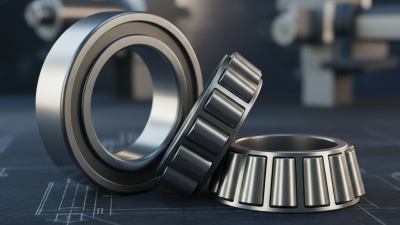
Choosing the right tapered roller bearing is crucial for optimal performance in various applications. These bearings accommodate both radial and axial loads, making them versatile and efficient. However, selecting the correct type can be challenging due to the variety of options available.
Many factors influence your choice. Consider factors such as load capacity, speed rating, and material composition. Each application has unique requirements. A thorough understanding of these parameters is essential. Making an informed decision about the tapered roller bearing can significantly enhance equipment reliability.
It's not just about matching specifications; it's about understanding performance nuances. High-quality bearings need proper installation and maintenance. Even minor misalignments can lead to premature failure. When in doubt, consult with experts or reference reliable resources before making your decision. This reflective approach can save time and money in the long run.
Understanding Tapered Roller Bearings: Definition and Importance
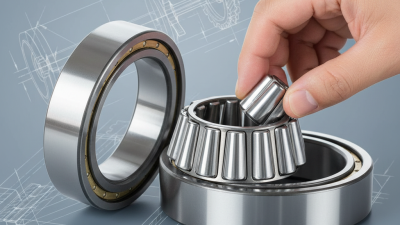
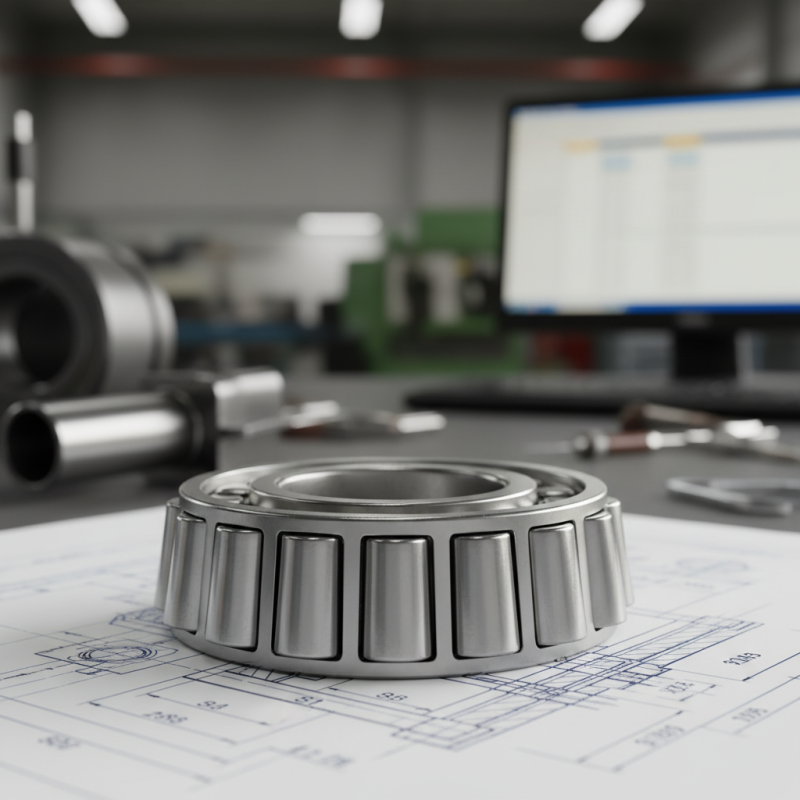
Tapered roller bearings are essential components in various machines and vehicles. They are designed to handle both radial and axial loads effectively. These bearings have a unique shape, with tapered inner and outer raceways. This design allows them to support heavy loads while maintaining stability.
Understanding the importance of tapered roller bearings is crucial for anyone involved in mechanical design or maintenance. They play a significant role in reducing friction and wear in rotating equipment. In many cases, neglecting to choose the right bearing can result in premature failure. This leads to costly downtime and repairs.
Choosing the right tapered roller bearing requires careful consideration. Factors like load capacity, precision, and material matter. Overlooking these can lead to performance issues. Ask questions about your specific needs. Each application is unique. Taking time to analyze these aspects will ensure reliability and efficiency in your operations.
Understanding Tapered Roller Bearings: Load Capacity vs. Speed
Key Specifications to Consider When Selecting Tapered Roller Bearings
Choosing the right tapered roller bearing involves understanding key specifications critical for optimal performance. Key factors include load capacities, dimensional accuracy, and friction characteristics. A 2021 report from the Bearing Industry Association highlights that proper load ratings can improve lifespan by up to 40%. Selecting bearings with the right dynamic and static load ratings is essential for durability, particularly in high-stress environments.
Tip: Always match the load capacity of the bearing with the application requirement. Underestimating the load can lead to premature failure.
Dimensional specifications also play a vital role. This includes the bore diameter, outer diameter, and width. These sizes must align precisely with the application’s design requirements. A 2022 industry analysis reveals that nearly 30% of early bearing failures are due to incorrect sizing.
Tip: Regularly verify the fit of bearings during installation. Misalignments can cause additional stress.
Lastly, consider lubrication types. Specific grease or oil types can affect the bearing's temperature range and performance. Research indicates that proper lubrication can increase efficiency by up to 25%. Ensuring adequate lubrication is crucial in maintaining bearing integrity over time.
Load Capacities and Their Impact on Bearing Performance
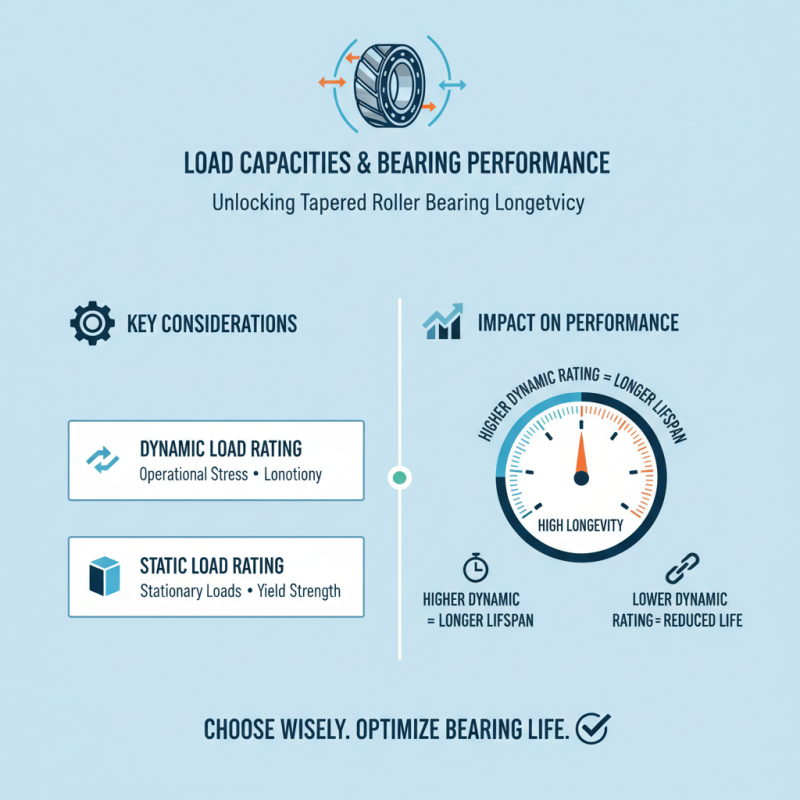
When selecting tapered roller bearings, understanding load capacities is crucial. Load capacity directly influences bearing performance and longevity. It is essential to consider both dynamic and static load ratings. According to industry reports, dynamic load capacity often determines how long a bearing will last under operational stresses. A higher dynamic rating typically suggests a longer lifespan.
Different applications require varying load capacities. For heavy machinery that operates under high stress, it is vital to select bearings with adequate load ratings. Studies indicate that loading bearings beyond their rated capacity can lead to premature failure. Many manufacturers recommend a safety factor to account for unexpected loads. This helps to ensure reliable performance over time.
It's important to note that load capacity isn't the sole factor. Operating conditions, alignment, and lubrication also play significant roles. Poor alignment can lead to uneven load distribution, which compromises bearing life. A common oversight is neglecting these factors while overly focusing on load ratings. Balancing all aspects promotes optimal performance and extends service life.
Material Selection for Durability and Reliability of Bearings
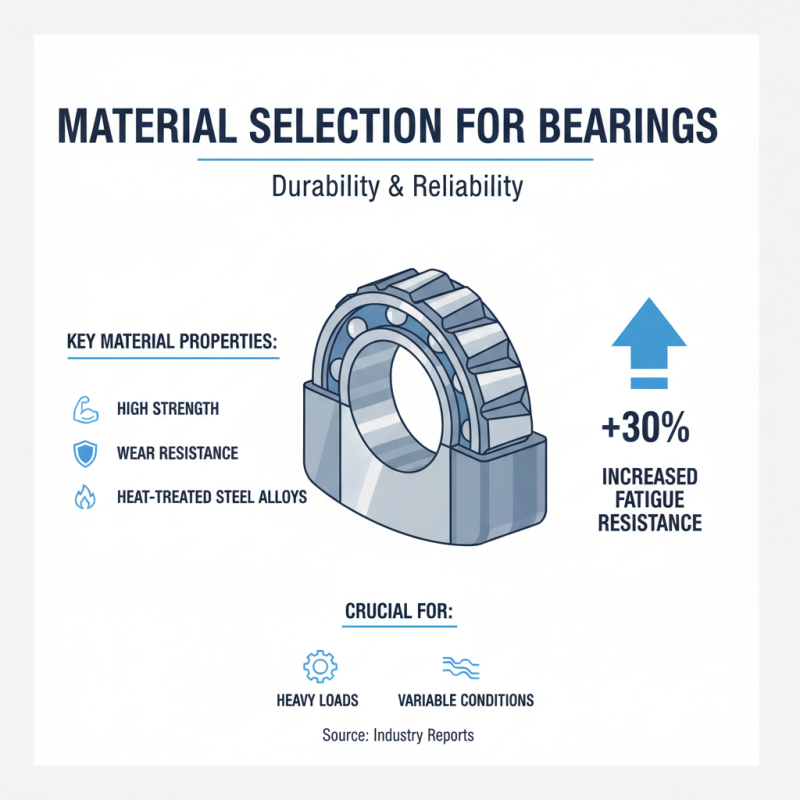
When selecting tapered roller bearings, material choice greatly influences their durability and reliability. High-quality steel alloys are often preferred for their strength and resistance to wear. According to industry reports, properly heat-treated bearing materials can increase fatigue resistance by up to 30%. This enhanced performance is crucial for applications that operate under heavy loads and variable conditions.
Ceramic materials are also gaining traction in bearing manufacturing. They offer excellent corrosion resistance and lower friction coefficients. Some studies indicate that ceramic bearings can reduce weight by 50% compared to their steel counterparts, leading to increased efficiency. However, these materials may be sensitive to shock loads, which poses a challenge in high-impact applications.
It's essential to evaluate the operational environment when choosing the material. Factors like temperature, load, and exposure to chemicals can significantly affect bearing performance. For instance, bearings used in food processing must resist corrosion but also meet hygiene standards. Miscalculating these needs may result in premature failure, causing costly downtime. A careful approach to material selection ensures not just reliability but also longevity in various industrial applications.
Industry Applications: Where Tapered Roller Bearings Are Commonly Used
Tapered roller bearings are crucial components in various industries. These bearings excel in applications requiring support for heavy radial and axial loads. For example, in the automotive sector, they are widely used in wheel hubs and transmissions. According to a report by the Global Bearing Market, the automotive segment accounts for about 37% of the total bearing consumption.
In the aerospace industry, tapered roller bearings play a vital role in flight control and landing gear systems. The reliability and strength of these bearings are vital, especially given that the aerospace market is projected to grow by 5% annually. Reliable bearing performance enhances safety and efficiency in aircraft operations. However, choosing the wrong type can lead to failures, emphasizing the need for thorough evaluation in selecting tapered roller bearings.
Additionally, industries like construction and mining utilize these bearings in machinery. They withstand harsh environments and heavy workloads, contributing to operational efficiency. Some reports highlight that improper installation or maintenance leads to premature bearing failure in such scenarios. A recent survey indicates that about 30% of bearing failures are due to installation errors. Understanding the unique demands of each application is critical in selecting the right tapered roller bearing.
How to Choose the Right Tapered Roller Bearing for Your Needs?
| Application |
Load Capacity (kN) |
Speed Rating (RPM) |
Operating Temperature (°C) |
Recommended Dimensions (mm) |
| Automotive Wheel Hub |
30-90 |
1000-3000 |
-40 to 120 |
25-55 |
| Construction Machinery |
100-500 |
500-1500 |
-30 to 80 |
60-120 |
| Aerospace Applications |
20-60 |
2000-8000 |
-50 to 150 |
30-80 |
| Railway Traction Motors |
50-150 |
800-2400 |
-25 to 90 |
45-100 |
| Mining Equipment |
150-400 |
300-900 |
-20 to 70 |
70-140 |