How to Choose the Right Bearing Roller Cylindrical for Your Needs?
Selecting the right Bearing Roller Cylindrical can significantly impact the performance of your machines. The wrong choice may lead to increased friction, wear, and even equipment failure. Therefore, understanding the specifications and applications of these bearings is crucial.
There are various factors to consider when choosing a Bearing Roller Cylindrical. Size, load capacity, and operating conditions all play a vital role. Each application might require specific design features. Reflecting on your particular needs will help you make a more informed decision.
Many overlook the importance of quality. Not all bearings are created equal. Investing in reputable brands may seem costly initially but often pays off in reliability and longevity. Remember, taking the time to analyze your requirements will lead to a better choice in the long run.
Understanding the Basics of Cylindrical Roller Bearings
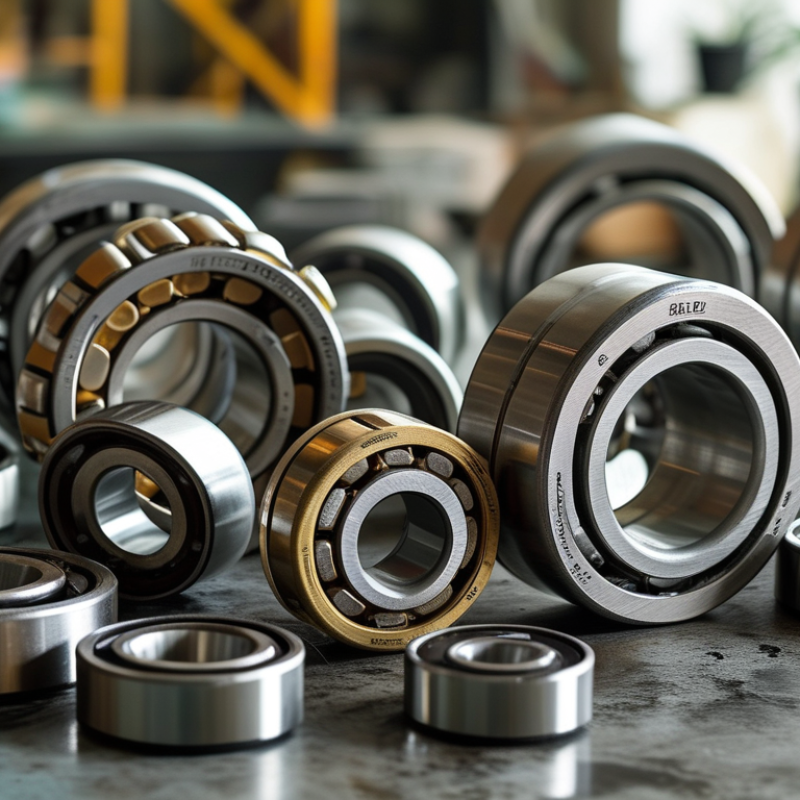
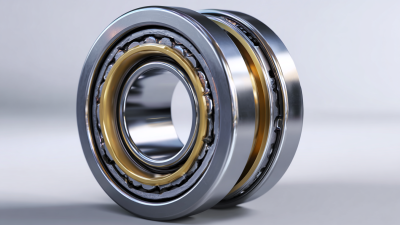
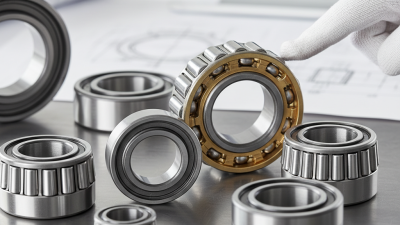
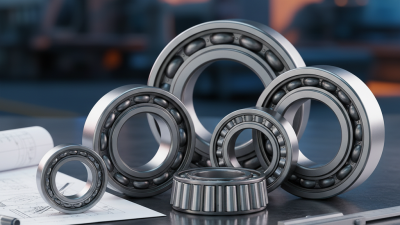
Cylindrical roller bearings are crucial for various applications. They consist of cylindrical rollers arranged parallel to the bearing axis. This design allows them to handle heavy loads and offer high stiffness. Their ability to accommodate radial loads makes them popular in industrial machinery. The rollers reduce friction, enabling smoother rotational movement.
Understanding the specifications of cylindrical roller bearings is essential. Factors like load ratings, speed limits, and lubrication requirements impact performance. Choosing the right bearing involves considering these details. A mismatch can lead to premature wear or failure. Additionally, it's important to evaluate the operating environment. High temperatures or contamination can affect longevity.
Users may overlook the importance of maintenance. Regular inspections can reveal wear patterns and potential issues. It's common for operators to ignore lubrication schedules. This can result in insufficient lubricant and increased friction. Being proactive about maintenance ensures reliability and extends service life. These considerations are vital for making informed decisions in selecting the right bearing for your needs.
Identifying Your Load and Speed Requirements
When selecting the right cylindrical roller bearing, load and speed requirements are crucial factors. Understanding the specific load types—axial or radial—is essential. Heavy loads may necessitate bearings with high load capacity. It’s vital to weigh both static and dynamic loads for optimal performance. If the bearing is to support rotating machinery, consider how speed affects performance. High-speed applications require bearings designed to minimize friction and heat generation.
Assessing your operational environment adds depth to your decision-making. Temperature fluctuations, contamination, and humidity influence bearing choice. For example, harsh environments may benefit from sealed or shielded bearings. Consider how frequently your machinery runs. If it's continuous, reliability becomes paramount. A short lifespan raises costs and downtimes. Sometimes, users overlook the need for regular maintenance. Adequate upkeep can significantly enhance bearing longevity and performance.
Lastly, remember that no bearing is perfect. Testing different options may lead to insights you did not anticipate. Keep an open mind about potential shortcomings in initial choices. Evaluating performance over time could yield valuable information for future selections. Balancing load capacity, speed, and environment will guide you toward effective solutions that meet your operational demands.
Evaluating the Operating Environment and Conditions
When selecting a cylindrical bearing roller, evaluating the operating environment is crucial. The environment influences performance and longevity. Common factors include temperature, humidity, and exposure to contaminants. For example, bearings in high-temperature settings can wear out faster. A study by the International Journal of Engineering and Technology indicates that bearing life can decrease by 50% for every 10°C increase over the rated temperature.
Operating conditions also matter. Vibration and load can impact your choice. High levels of vibration can lead to premature failures. If your application involves heavy loads, opt for bearings designed to handle such stress. A report from the American Society of Mechanical Engineers highlights that improper load assessment can lead to significant operational disruptions.
**Tips:** Choose materials that resist corrosion for humid environments. Consider seal types to keep out dirt and moisture. Frequent inspections can prevent unexpected failures. Balance your requirements with the specific conditions of your operation. Understanding these elements can maximize efficiency and prolong service life.
Selecting the Appropriate Bearing Material and Design
When choosing the right bearing roller cylindrical, material selection plays a crucial role. Different materials provide unique characteristics. Steel, for example, is commonly used for its strength and durability. However, it can be susceptible to corrosion. In contrast, ceramic materials offer high resistance to heat and wear. But they may lack toughness.
Design also influences performance and longevity. Consider the load capacity and environment. High-load applications benefit from bearings with reinforced designs. This ensures they can handle stress without failure. It is essential to understand the balance between size and capacity. A larger bearing may not always be the best choice.
Reflecting on specific applications can guide your decisions. Each project's requirements may differ. Some may prioritize speed, while others need high precision. Evaluating these factors can help you select a bearing that meets your needs efficiently. Avoid impulsive choices; take time to analyze all variables.
Considering Maintenance and Replacement Factors for Longevity
When selecting a cylindrical roller bearing, maintenance and replacement considerations are crucial for longevity. Proper maintenance practices, such as regular lubrication and alignment checks, can extend bearing life significantly. According to industry reports, improper maintenance can lead to premature failures, with as much as 30% of bearings experiencing issues due to inadequate care.
Many users underestimate the importance of monitoring operating conditions. Temperature fluctuations and contamination can severely affect performance. Research indicates that maintaining optimal operating conditions can increase bearing lifespan by up to 50%. Regular inspections can help identify wear and tear before they escalate into more serious problems.
Replacement timing is equally important. Ignoring subtle signs of wear can lead to catastrophic failures. As per a study by the American Bearing Manufacturers Association, proactive replacement can save companies up to 40% in long-term operational costs. Not all bearings show clear signs of deterioration, so having a strategic replacement schedule based on usage metrics can make a difference. Remember, taking these steps might feel tedious, but they are essential for ensuring equipment reliability and reducing downtime.