How to Choose the Right Auto Wheel Bearing for Your Vehicle?
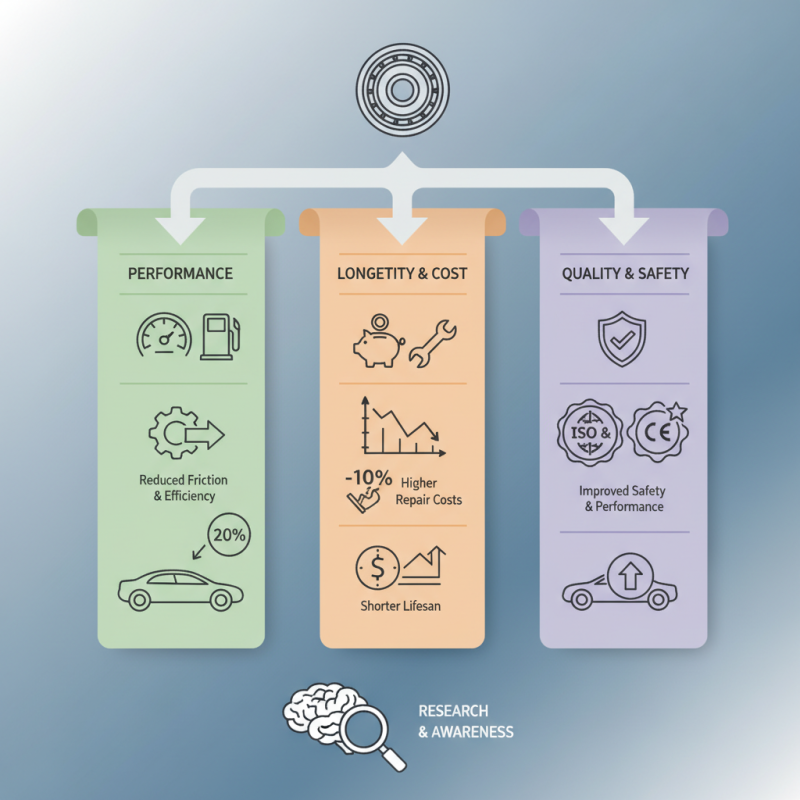
Choosing the right Auto Wheel Bearing is crucial for vehicle performance. A well-functioning wheel bearing reduces friction and enhances fuel efficiency. According to a report by the Automotive Aftermarket Industry Association (AAIA), nearly 20% of vehicle problems are related to the chassis, which includes wheel bearings.
Many vehicle owners overlook the importance of selecting quality Auto Wheel Bearings. Low-quality bearings can lead to higher repair costs in the long run. A study by Frost & Sullivan indicates that subpar wheel bearings can reduce a vehicle's lifespan by 10%. This highlights the need for careful consideration.
While many options exist, not all are created equal. Factors such as certification and brand reputation matter. For instance, ISO and CE certifications are essential indicators of product quality. Relying solely on price can lead to regrets later. Research shows that using reputable brands can improve overall vehicle safety and performance. Choosing wisely demands thought and awareness.
Understanding the Basics of Auto Wheel Bearings and Their Function
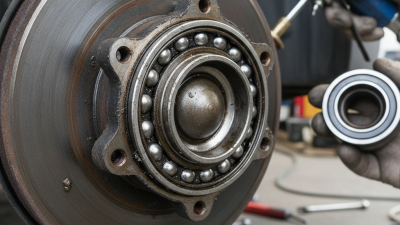
Auto wheel bearings play a critical role in vehicle performance. They are designed to reduce friction between moving parts, allowing your wheels to rotate smoothly. Proper function of these bearings ensures stability and safety while driving. When they fail, you may experience unusual noises or handling issues. Recognizing the signs of wear is crucial for prevention.
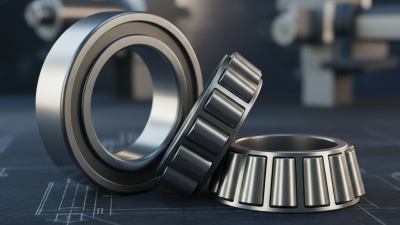
Choosing the right wheel bearing hinges on understanding your vehicle's specifications. Not all bearings are the same. Pay attention to factors like size, load capacity, and type of seal. A wrong choice may lead to premature failure. If you notice vibrations or hear grinding noises, it might be time to check your bearings.
Tips: Always inspect the bearing for signs of damage, like rust or pitting. Replace them in pairs to maintain even wear. Regular maintenance can extend their lifespan. Keep in mind that poor installation can lead to costly mistakes. Always follow guidelines to ensure proper fitting.
Identifying the Correct Type of Wheel Bearing for Your Vehicle Model
Choosing the right auto wheel bearing starts with understanding your vehicle model. Wheel bearings can vary greatly based on the make and year of your car. It's crucial to identify whether your vehicle needs a front or rear wheel bearing. Each type has distinct specifications. Checking your owner’s manual can provide clarity on what is required.
Tips: Look for visual clues. Examine the current bearing for part numbers or unique identifiers. This helps ensure you find an exact match. If you're unsure, consulting a mechanic can save you time and money.
Many drivers overlook the importance of quality in wheel bearings. A cheap part may seem like a great deal but could lead to problems later. A faulty bearing can affect your vehicle's handling and safety. Therefore, research is important before making a purchase.
Tips: Don't rush the process. Take your time to find bearings that fit well. Look for user reviews online. These insights can guide you in making a more informed decision. Always ask questions if there’s any doubt about compatibility.
Key Factors to Consider When Selecting a Wheel Bearing
When selecting a wheel bearing for your vehicle, several key factors come into play. First, consider the type of vehicle you drive. Different models have different requirements for wheel bearings. According to recent industry reports, around 30% of wheel failures stem from mismatched bearings. This emphasizes the need for proper specifications.
Material quality is another critical factor. Wheel bearings are typically made from steel or ceramic composites. High-quality steel can withstand higher loads, leading to better performance and longevity. Additionally, always check the bearing's load rating. Selecting a bearing with a rating too low can result in premature failure.
**Tip:** Always refer to your vehicle's manual for specific bearing requirements.
Pay attention to climate and driving conditions, too. For instance, if you frequently drive on rough roads or in harsh weather, you may need a more durable option. This can prevent issues like corrosion or wear that might lead to costly repairs later on.
**Tip:** Inspect your wheel bearings regularly. Look for signs of wear such as noise or vibration.
Choosing the right wheel bearing is essential for ensuring safety and optimal vehicle performance. Don't overlook these details. A well-informed decision can save time and money in the long run.
How to Choose the Right Auto Wheel Bearing?
This chart represents key factors to consider when selecting a wheel bearing for your vehicle, rated on a scale from 1 to 10 based on their importance. Material quality is deemed the most crucial factor, followed by load rating and brand reputation.
How to Assess Quality and Compatibility of Wheel Bearings
When assessing wheel bearings, quality and compatibility are crucial. Look for standard specifications that match your vehicle’s make and model. Check the manufacturer's guidelines for fitment details. This can save you from potential headaches later.
Tips: Always double-check the part number. Small variations matter.
Inspect the materials used in the bearing. High-quality steel usually ensures better durability. Look for signs of rust or corrosion, as these can indicate poor quality. Remember, not all wheel bearings are created equal.
Tips: Consider checking online reviews for user feedback. Real experiences reveal a lot.
Also, compatibility goes beyond mere size. Pay attention to load ratings and performance characteristics. A bearing might fit but can fail under stress. This is a common pitfall that many overlook. It’s important to be thorough.
Tips: Ask a professional if you’re unsure. Their insight can guide you.
How to Choose the Right Auto Wheel Bearing for Your Vehicle?
| Feature |
Description |
Importance |
| Material |
High-quality steel or ceramic for durability. |
Ensures longevity and supports heavy loads. |
| Size Compatibility |
Must match the specifications of the vehicle's wheel hub. |
Crucial for proper fit and performance. |
| Seal Type |
Rubber, metal, or both to prevent dirt and moisture ingress. |
Protects bearing from damage and wear. |
| Bearing Type |
Ball bearings or roller bearings for different applications. |
Affects weight capacity and performance characteristics. |
| Load Rating |
Rated for specific weight limits of vehicles. |
Ensures safety and reliability under stress. |
| Noise Level |
Should operate quietly; excessive noise may indicate issues. |
Indicates health of the bearing, important for comfort. |
| Brand Reputation |
Choose from well-reviewed manufacturers without brand names. |
Can impact quality and reliability of the product. |
Installation and Maintenance Tips for Wheel Bearings
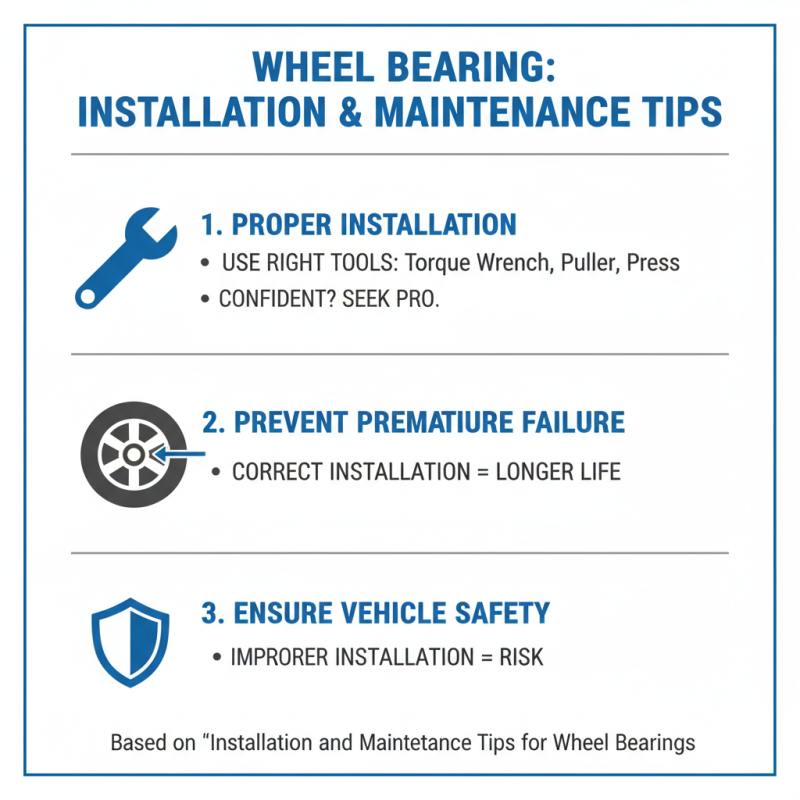
When it comes to wheel bearings, proper installation and maintenance are crucial. An incorrectly installed bearing can lead to premature failure and affect overall vehicle safety. Begin by having the right tools on hand. A torque wrench, puller, and press will make the job easier. If you're not confident, consider seeking help from a professional.
Tips for installation: Clean the hub before installing the new bearing. Any dirt can cause issues later. Use grease to ensure smooth operation. While fitting the bearing, make sure it sits evenly. Misalignment could lead to wear and tear. Take your time and don’t rush this process; quick fixes often bring regrets.
Regular maintenance is vital too. Check for unusual noises that may indicate wear. A humming sound could suggest bearing failure. Keep an eye on the wheel's temperature after a drive. If it feels too hot, it might be a sign something is wrong. Don't overlook these signs. Awareness of how your vehicle feels can prevent bigger problems down the line.