What Are the Best Groove Ball Bearings for 2026?
Selecting the right Groove Ball Bearings in 2026 starts with the job they must perform, not a headline rating. A small electric motor, a conveyor roller, and a workshop fan place different demands on the same basic bearing design. Load, rotational speed, operating temperature, shaft fit, and exposure to dust or moisture all affect performance. The wrong choice may bring excess noise, heat, or early wear. Small details matter.
This guide examines what makes a bearing suitable for a specific application and how to compare options using published specifications. It considers bearing dimensions, load ratings, seals or shields, internal clearance, cage materials, and lubrication needs. A sealed unit can help limit contamination, while an open design may suit equipment with a planned relubrication routine. Neither choice is best in every setting. Fit still matters. Manufacturer data and application requirements should guide the decision; product labels alone cannot confirm real-world suitability. Where specifications are unclear, verify them with the supplier rather than guessing. This is easy to overlook. There is no universal winner, and a more expensive bearing is not automatically a better match. The sections ahead offer practical criteria for narrowing the field, weighing trade-offs, and avoiding common selection mistakes. They also note where a recommendation depends on operating conditions, because bearing performance can change with installation, maintenance, and the surrounding environment. No comparison can replace a careful check of the actual equipment.
What Groove Ball Bearings Are and How They Work
What Are the Best Groove Ball Bearings for 2026?
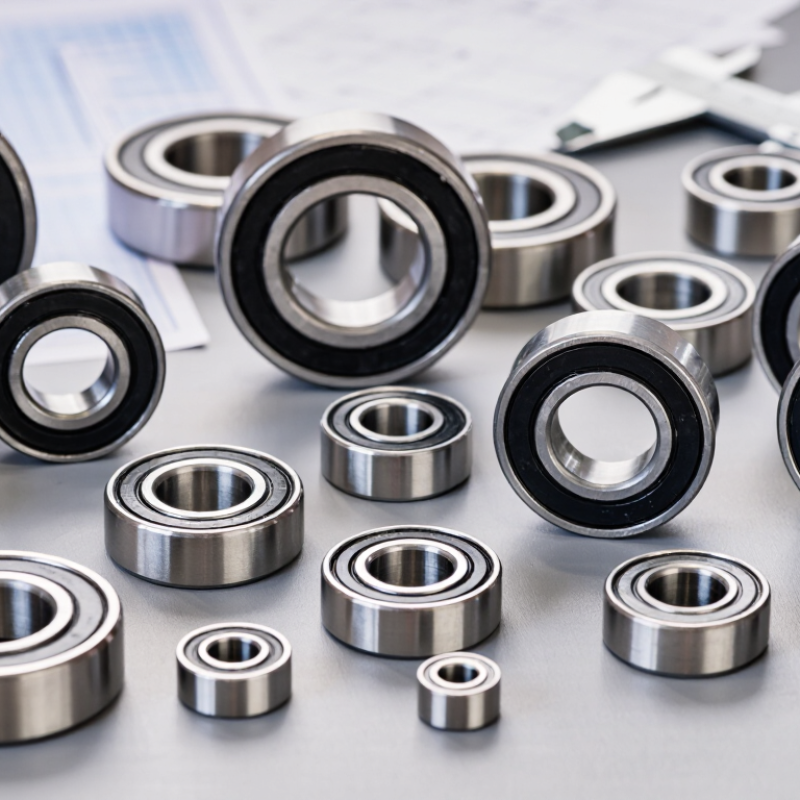
A deep-groove ball bearing has an inner ring, an outer ring, steel balls, and a cage that keeps the balls spaced apart. The curved raceways guide the balls as the shaft turns. This design carries radial loads and some axial load in either direction. It is common in motors, pumps, fans, and household equipment because it is compact and versatile. Not limitless, though.
The cage reduces ball-to-ball contact, while lubricant forms a film between the balls and raceways. A dry, dusty bearing can heat up quickly; excess grease can also create drag. Fit, internal clearance, speed, and sealing all affect performance. Small details matter. In practice, a quiet bearing is not automatically a healthy one; temperature and vibration trends offer better clues.
For service-life estimates, ISO 281:2007 defines the basic rating life, L10, as the life that 90% of a sufficiently large group of identical bearings can reach or exceed under stated conditions. It is measured in millions of revolutions, not guaranteed hours in every machine. ISO 76:2006 sets the basic static load rating; its contact-deformation criterion is about 0.0001 times the ball diameter. Real operating conditions can differ from test assumptions, so calculations deserve a reality check.
Key Performance Factors for Comparing Bearings in 2026
Choosing a groove ball bearing in 2026 starts with the actual load, speed, and operating environment. A bearing suited to steady rotation may struggle with frequent starts or changing radial loads. Check both the rated load and the expected service conditions, rather than comparing a single headline figure.
Fit matters. Shaft and housing tolerances affect alignment, friction, and running temperature. A slight mismatch can create vibration that appears to be a bearing defect.
Precision and noise ratings matter most in equipment where smooth motion is essential. In less sensitive machinery, a higher precision grade may add cost without a useful gain. Consider seals, too: contact seals help keep out dust, while open designs may suit cleaner assemblies with planned lubrication.
Grease type, relubrication access, and temperature range should match the duty cycle. Noise can mislead. A quiet test run does not prove long-term reliability, especially if installation, lubrication, or contamination controls are poor.
Compare documented test conditions and service guidance, then weigh those details against the consequences of downtime. One judgment call remains: actual life can differ from calculated estimates when maintenance or operating conditions change.
Common Types, Materials, Seals, and Configurations
For many 2026 applications, single-row deep-groove ball bearings remain a practical starting point. They handle radial loads and moderate axial loads in compact housings. Double-row versions can support greater loads, but need more space and careful alignment. Angular-contact designs suit combined loads when direction and preload are known. There is no universal winner.
Material changes performance. Chrome steel offers a common balance of load capacity and cost. Stainless steel can resist corrosion in damp settings, though its load ratings may differ. Hybrid bearings use ceramic balls with steel rings; lower ball mass can help at high speeds, but heat, lubrication, and cost still matter. Check the manufacturer’s data. Do not assume ceramic means maintenance-free.
Seals and configuration deserve equal attention. Rubber contact seals retain grease and block dust, but add friction. Metal shields usually create less drag, yet offer less protection against fine contaminants. Open bearings allow flexible lubrication, with more exposure. Choose internal clearance, cage style, and precision class to match shaft fit, temperature, speed, and vibration. Small details count. A bearing that runs quietly on a clean test bench may fail early in a hot, dusty housing. Selection can still be imperfect: real operating conditions rarely match a catalogue’s test setup exactly.
How to Match a Bearing to Its Application
Choosing a groove ball bearing starts with the machine, not the catalog. A small electric fan needs low friction and quiet running, while a conveyor roller may face heavier radial loads and intermittent shock. Check shaft speed, load direction, operating hours, and available space. Small details matter. A bearing that fits the housing can still be wrong for the duty.
Deep-groove bearings mainly carry radial loads, but can also handle moderate axial loads in both directions. Compare the actual load combination with dynamic and static ratings; neither is a simple pass/fail target. At high speeds, heat and lubrication become central. For dust or splash, consider seals or shields, while remembering they may add drag. Not always ideal. Fit, internal clearance, and temperature also interact, so check technical tables and installation guidance rather than selecting by bore alone.
Measure the shaft and housing, then note temperature, contamination, noise limits, and maintenance access. A bearing in a washdown area may need different protection from one inside a clean motor. Grease choice and relubrication intervals should match speed and temperature, not habit. It is tempting to choose extra capacity for reassurance. That can mask poor alignment or an unsuitable fit, and does not automatically improve service life. After installation, monitor heat, vibration, and noise under normal operating conditions.
A Step-by-Step Guide to Choosing the Best Bearing for 2026
What Are the Best Groove Ball Bearings for 2026?
Choosing a deep-groove ball bearing starts with the job, not the price. Record the shaft and housing dimensions, expected radial and axial loads, operating speed, and duty cycle. A bearing that fits on paper may still run hot if its load or speed rating is unsuitable. Check the manufacturer’s current technical data and compare ratings under your actual operating conditions. There is no universal best choice.
Next, consider the working environment. Dust, moisture, vibration, and temperature can affect service life. Select an appropriate seal or shield, internal clearance, and lubricant for those conditions. Confirm that the bearing can be installed and maintained as intended; poor alignment or excessive fitting force can damage raceways. I sometimes find it tempting to focus on load ratings alone. That can miss the real failure cause, so review the full setup before ordering.
Tips: Measure twice. Keep the old bearing’s markings and dimensions for comparison, but verify them against the application. Ask a qualified supplier to clarify unclear ratings, and inspect fit and noise during installation. Small details matter. Don’t guess.