Why Do Auto Wheel Bearings Fail and How to Prevent It?
Auto wheel bearings play a crucial role in vehicle performance. They support the weight of the vehicle and allow the wheels to spin freely. However, these components often face significant stress. This stress can lead to premature failure. Understanding why auto wheel bearings fail is essential for vehicle maintenance.
Several factors contribute to auto wheel bearing failure. Poor lubrication, excessive heat, and contamination are common culprits. Over time, these issues can cause wear and tear. Ignoring the signs of bearing problems can lead to serious consequences. Drivers may experience unusual noises or vibrations. This can result in costly repairs and safety risks.
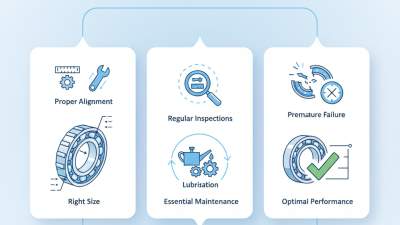
Preventive measures can help extend the life of auto wheel bearings. Regular inspections are key. Timely replacement of worn bearings is crucial. Keeping the bearings clean and well-lubricated can also make a difference. Awareness of the driving conditions plays a role too. Remember, auto wheel bearings are vital for safe driving. Taking care of them should never be overlooked.
Understanding the Role of Auto Wheel Bearings in Vehicle Performance
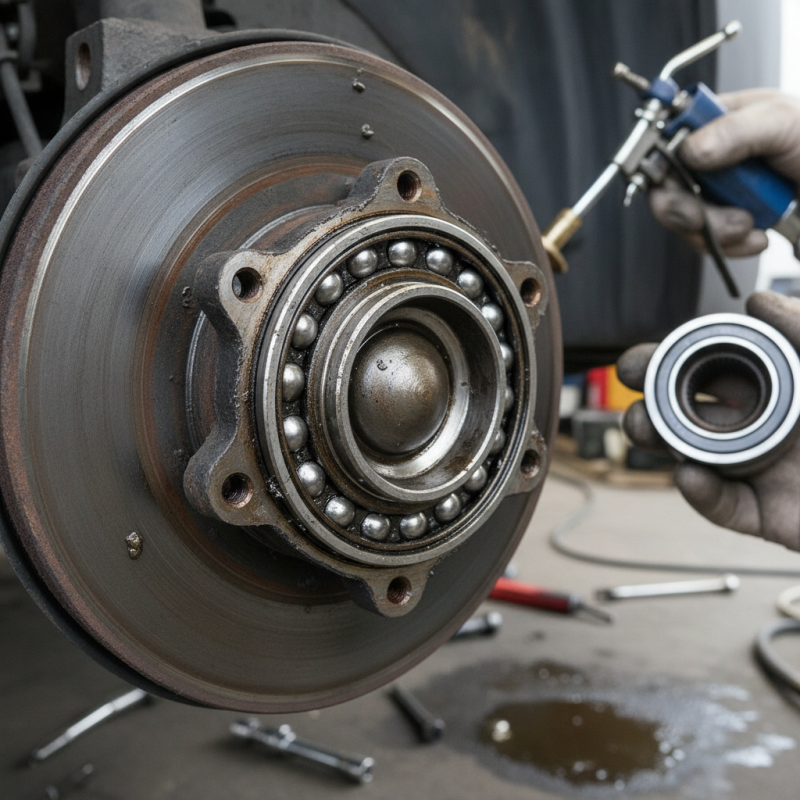
Auto wheel bearings play a crucial role in vehicle performance. They enable the smooth rotation of the wheels while supporting the vehicle's weight. When functioning properly, these components ensure a safe and comfortable driving experience. However, when wheel bearings fail, it can lead to serious issues, like decreased handling and increased tire wear.
Failure often arises from inadequate lubrication or contamination from dirt. Issues might also develop due to improper installation. These factors create friction and heat, leading to bearing wear. Signs of failing bearings can include unusual noises or vibrations while driving. Attention to these warning signs is essential. Regular inspections can help catch potential problems before they escalate.
Preventing wheel bearing failure requires proactive maintenance. Keeping bearings clean and lubricated is vital. It’s also important to check for any signs of wear during routine services. Drivers should be alert to changes in vehicle behavior, as it could indicate underlying issues with the bearings. Small actions now may prevent costly repairs in the future.
Common Causes of Auto Wheel Bearing Failure Explained
Auto wheel bearing failure is a common issue that many drivers face. Several reasons contribute to this problem. One major cause is inadequate lubrication. Bearings need proper grease to function smoothly. If grease depletes, friction increases. This can lead to overheating and damage over time.
Improper installation also plays a role. If bearings are not seated correctly, they wear unevenly. This misalignment shortens their lifespan and leads to failure. Additionally, exposure to contaminants like dirt and moisture can accelerate wear. Regular inspections are essential. They help identify issues early before they cause significant damage.
Driving habits can also influence bearing longevity. Harsh braking and aggressive acceleration put added stress on the bearings. Avoiding such behaviors can promote longevity. Sometimes, the simplest actions make the largest impact. However, drivers often overlook these factors until it's too late.
Signs and Symptoms of Failing Wheel Bearings to Watch For
Wheel bearings play a crucial role in vehicle handling and safety. Recognizing the signs of failing wheel bearings is essential. One of the primary indicators is an unusual noise. If you hear a grinding or humming sound while driving, it's time to investigate. According to industry reports, 28% of vehicle owners experience such noises when bearings start to fail.
Vibrations can also signal problems. If your steering wheel shakes or vibrates significantly, this might indicate worn bearings. Shockingly, 22% of drivers overlook this symptom, leading to severe driving issues. Additionally, if you notice uneven tire wear, it may be linked to failing wheel bearings. Proper alignment and smooth rotation are vital for even tire wear.
Don’t ignore any of these signs. Regular inspections can prevent potential failures. A recent study found that 40% of premature wheel bearing failures are due to neglect. Filling your maintenance schedule with checks can save you time and money down the road. Be proactive; listen to your vehicle. Your safety could depend on it.
Causes of Auto Wheel Bearing Failure
This chart illustrates the common causes of wheel bearing failures based on industry data.
Preventive Maintenance Tips for Extending Wheel Bearing Lifespan
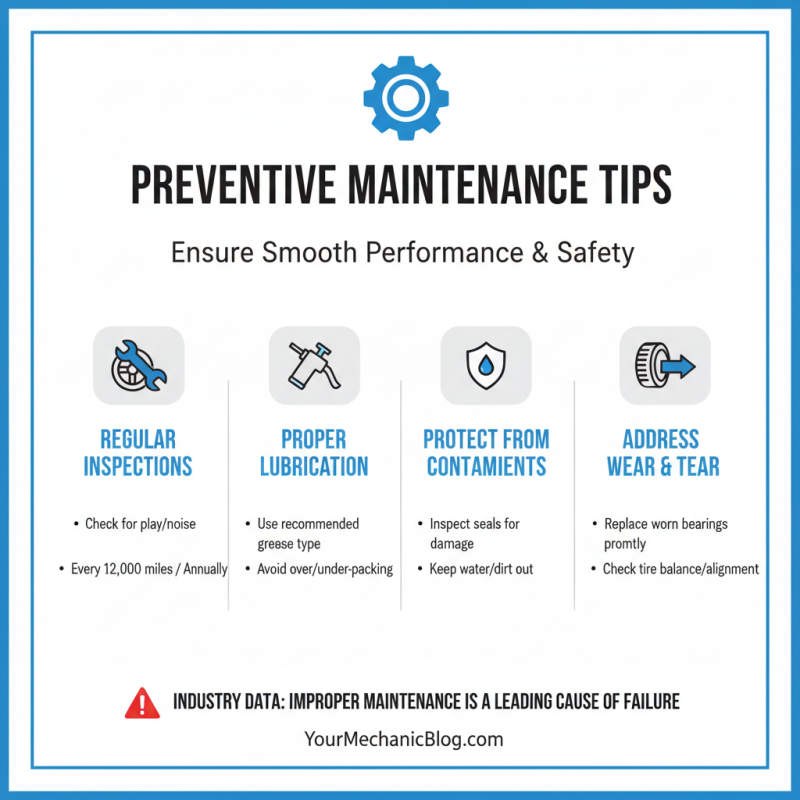
Wheel bearings play a crucial role in vehicle performance. They enable smooth wheel rotation and bear the vehicle’s weight. However, they can fail due to factors like poor maintenance, contamination, or excessive wear. Industry data suggests that improper maintenance is a leading cause of wheel bearing failure.
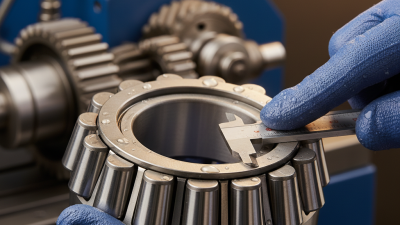
To extend the lifespan of wheel bearings, regular inspections are essential. Check for signs of wear, such as unusual noises or vibrations. Keeping the wheel bearings properly lubricated can prevent premature failure. Remember, lubrication should not be overlooked. The right grease can make a significant difference.
Tip: Regularly inspect the seals and dust caps. Those small components protect bearings from dirt and moisture. Damaged seals can lead to contamination, rapidly decreasing the bearing life.
Another tip: Always torque lug nuts to the manufacturer’s specifications. Over-tightening can lead to excess stress on bearings. Monitor your driving habits too. Aggressive driving, such as hard cornering or abrupt stops, can accelerate wear. Small changes can yield great results.
How to Choose Quality Replacement Wheel Bearings for Your Vehicle
Choosing quality replacement wheel bearings is crucial for your vehicle's performance. Start by inspecting the components that match your car's specifications. It's not just about size, but also about the materials used. High-quality steel often lasts longer than cheaper alternatives. Consider the races as well. They should be properly heat-treated for durability.
Look for features like double-sealed construction. This design helps keep dirt and moisture out. Reducing contamination can significantly extend the life of your bearings. A bearing with low-quality seals might seem cheaper but can lead to more frequent replacements. Always prioritize reliability over price.
Another aspect to ponder is the installation. A poorly installed bearing can fail prematurely. Correct torque specifications are essential. Many overlook this detail during installation, leading to issues down the line. Take the time to research proper procedures or consult a professional. This will save you headaches in the future.